
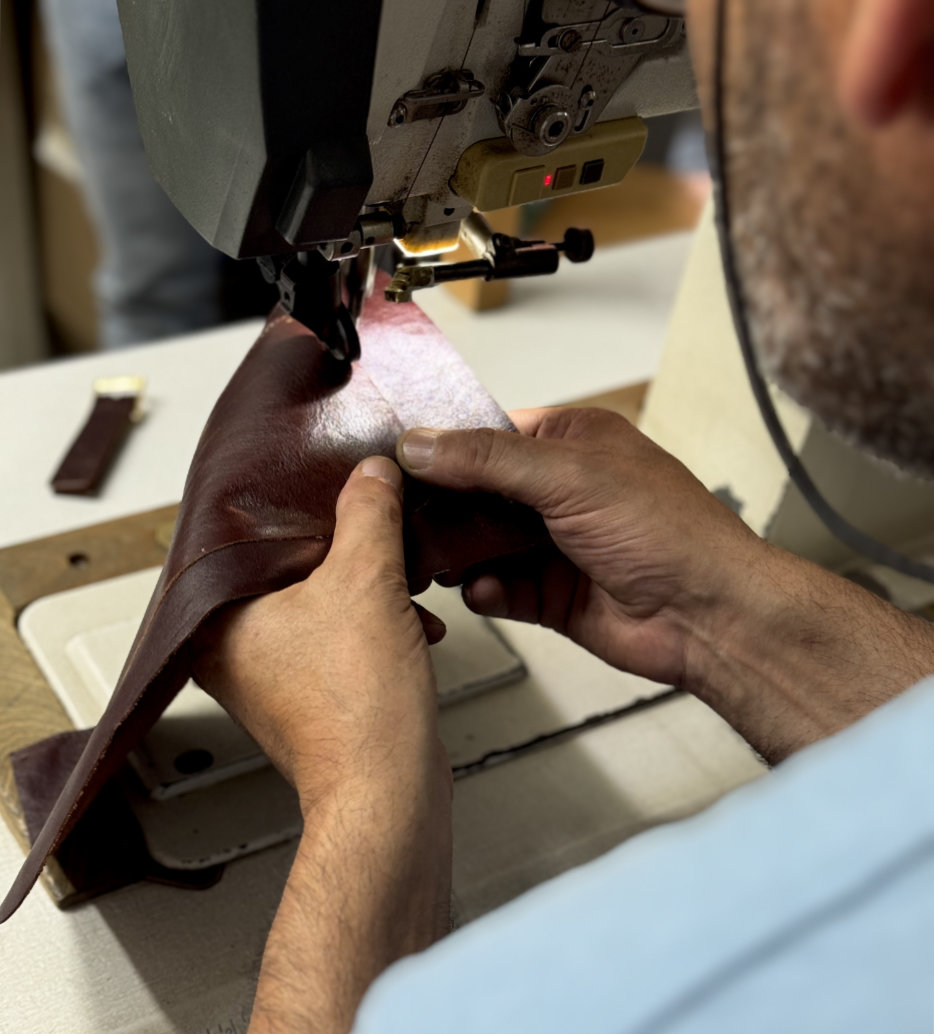
In the world of hospitality and fine dining, attention to detail is what turns a pleasant visit into a memorable experience. From furniture to menu presentation, every element communicates a brand’s commitment to quality and authenticity. Among the finest examples of craftsmanship are handmade leather products, pieces that combine tradition, precision, and sophistication. Each stitch and texture reflects hours of manual work, transforming raw leather into objects that embody elegance and care.
The Value of Craftsmanship
In a marketplace dominated by automation and speed, handcrafted production preserves what is most valuable: time. Creating something by hand means respecting the material’s natural rhythm and embracing its imperfections as part of its charm. A leather craftsman doesn’t simply follow a mechanical process; they apply instinct, experience, and artistry to every piece.
Each cut is intentional, each seam deliberate, and each finish carefully inspected. The result is a product that feels alive, durable, unique, and imbued with character. For luxury hotels and restaurants, these details elevate perception, signaling refinement and exclusivity to every guest.
Precision, Tradition, and Authenticity
Artisan leatherwork is more than a skill, it’s a living heritage. Traditional techniques of cutting, stitching, and hand-polishing have been passed down through generations, preserving cultural identity and mastery. This expertise is visible in every element: the uniformity of stitching, the smoothness of the edges, and the firmness of the finish.
Unlike industrially produced items, handmade pieces retain the natural variations that make leather so special. Subtle marks, variations in tone, and the way the material softens and gains patina over time all contribute to their uniqueness. It’s this touch of imperfection that makes them truly authentic.
When Design Meets the Human Hand
Artisan craftsmanship and modern design no longer exist in separate worlds, they enhance each other. Designers and craftsmen now collaborate to create functional objects that reflect both aesthetic innovation and manual expertise. In hospitality settings, this collaboration takes form in menus wrapped in genuine leather, hand-stitched bill holders, or coasters with refined finishes.
Each piece complements the overall atmosphere of the space, reinforcing a consistent visual identity. Guests may not consciously recognize that the item is handmade, but they feel it, in the texture, the weight, and the understated luxury it conveys.
Sustainability and Longevity
Choosing handcrafted products is also a responsible and sustainable decision. Artisan production is often local, with greater control over sourcing and less environmental impact. Furthermore, high-quality leather is a material built to last, it matures beautifully, can be restored easily, and retains its value over time.
In an era when luxury brands are aligning with sustainability, craftsmanship stands as the perfect balance: less waste, more meaning, and a deep respect for materials and time. A well-crafted leather piece doesn’t just last, it evolves with the space, acquiring character as it ages.
Perceived Value in the Hospitality Industry
In hospitality, luxury is defined by perception as much as by price. A hotel that invests in natural materials and handmade leather products communicates a sense of authenticity and meticulous care. Guests immediately associate such attention to detail with superior service and elevated brand identity.
From reception desks to dining rooms, handcrafted leather elements create a sensorial continuity, one that unites comfort, elegance, and individuality. These are the subtle cues that make an experience feel truly premium and memorable.
More than decorative accessories, artisan leather creations represent identity, purpose, and heritage. Investing in handmade leather products means embracing a philosophy where time, craft, and authenticity define value. For hotels and restaurants striving for excellence, these items are more than design pieces, they are expressions of tradition meeting contemporary vision, enriching every space they inhabit.