
In recent years, the hospitality and restaurant industries have undergone a profound transformation in their values. Luxury is no longer defined solely by visual refinement or exclusivity, it now also embodies ethical and environmental awareness. Within this new perspective, sustainability in leather products has become a central topic, particularly when it comes to handmade craftsmanship. When responsibly sourced and produced, leather represents a perfect balance between durability, aesthetics, and ecological responsibility.
The importance of leather as a natural material
Unlike synthetic alternatives, leather is a natural and resilient material with an exceptionally long lifespan. When it comes from certified tanneries that follow sustainable practices, leather not only minimizes waste but also repurposes by-products from the food industry.
This means that, rather than contributing to waste, leather transforms existing resources into durable, valuable, and aesthetically refined goods.
Another key advantage of leather is its longevity. A well-crafted leather item can last for decades, standing up to daily use, a crucial attribute for hotels and restaurants that value both style and performance in their furnishings.
Sustainability as a brand value
For premium establishments, sustainability is no longer just a trend, it’s an expectation. Incorporating sustainable materials into décor and daily operations strengthens a brand’s image as modern, conscious, and aligned with global market demands.
Handcrafted leather pieces, such as menus, coasters, bill holders, or lamps, communicate more than refined taste: they express a commitment to quality and to the planet. By choosing suppliers who value ethical craftsmanship, businesses reinforce their identity and gain a meaningful competitive edge.
The value of handmade production
Handmade production is, by nature, a sustainable process. It operates on a smaller scale, consumes less energy, and allows for better control over the source of materials. Artisans understand the impact of their work and prioritize efficiency, avoiding unnecessary waste.
Beyond the environmental benefits, the human touch adds a layer of authenticity and emotion that mass production cannot replicate.
The result is a collection of products that stand out not only for their beauty and functionality but also for their alignment with the principles of a circular economy, less mass production, more purpose and value per piece.
Leather and sustainable innovation
Technological progress has allowed traditional leather to adapt to modern environmental demands. Low-impact tanning processes, the use of natural dyes, and water-saving techniques are just some of the innovations reshaping the industry.
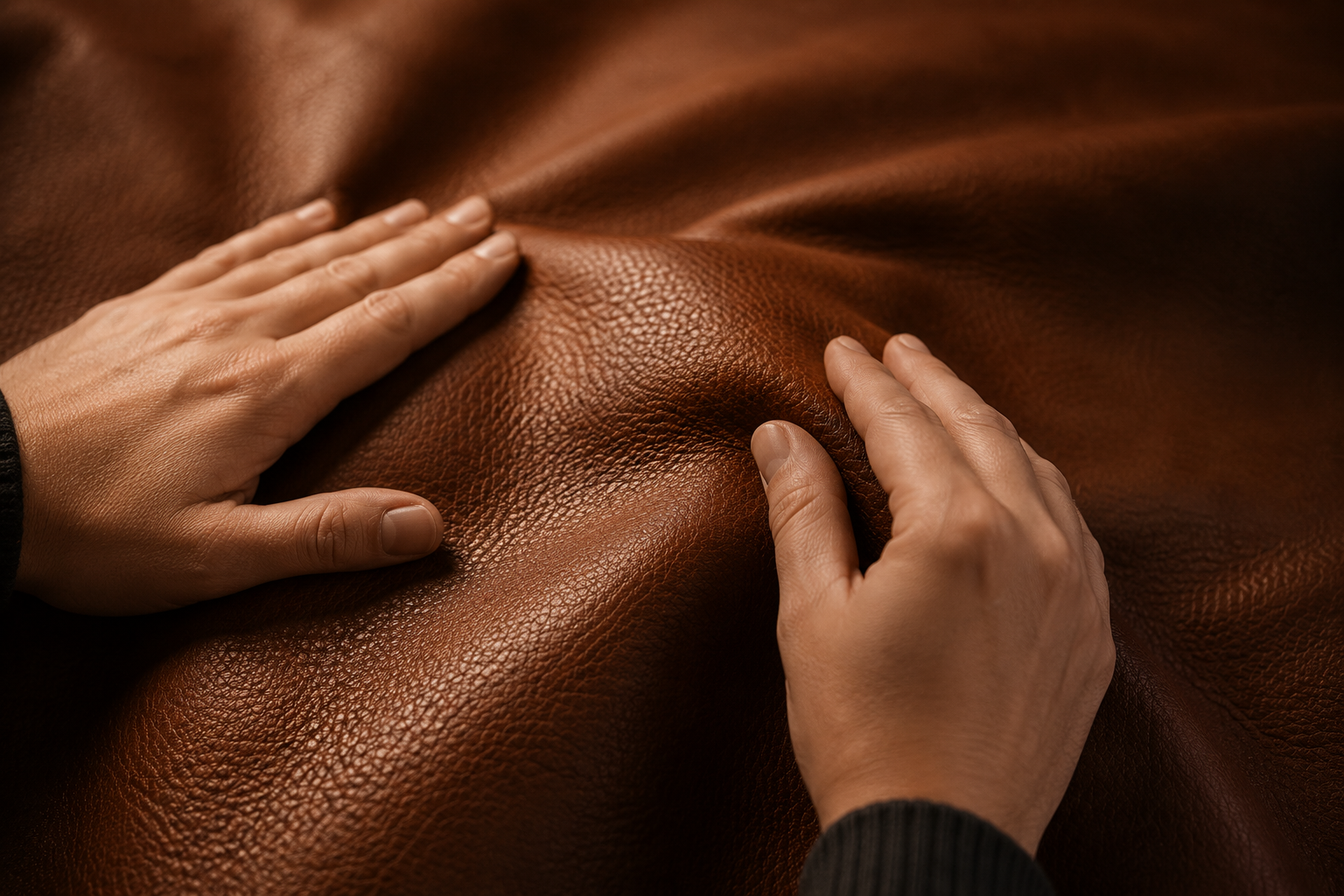
These advances do not compromise quality, they elevate it. Sustainable leather retains its signature texture, aroma, and durability, while drastically reducing its ecological footprint.
For hotels and restaurants, this evolution offers an opportunity to provide luxury products that carry genuine environmental value.
A lasting investment
Sustainability is also about longevity. A product that is built to last reduces the need for frequent replacement, thereby minimizing its environmental impact. Handmade leather products are the perfect example: strong, timeless, and easy to restore.
For hospitality professionals, investing in this type of product means investing in long-term quality and operational efficiency, while positioning the brand as responsible and forward-thinking.
In a world where luxury and ethics increasingly intersect, sustainability in leather products represents a new standard of excellence. Choosing handmade pieces crafted with environmental care is not merely an aesthetic decision, it is a declaration of values.
Hotels and restaurants that embrace this principle stand out not just for the elegance of their spaces, but for the story they tell: one of respect, durability, and genuine commitment to the future.