The material used for a menu can strongly influence how a restaurant is perceived. In high-end dining concepts, the menu is not simply an informational tool but part of the overall experience. Among the different options available, leather consistently stands out as one of the most suitable materials for premium restaurant menus, combining visual elegance, durability, and a strong alignment with sophisticated environments.
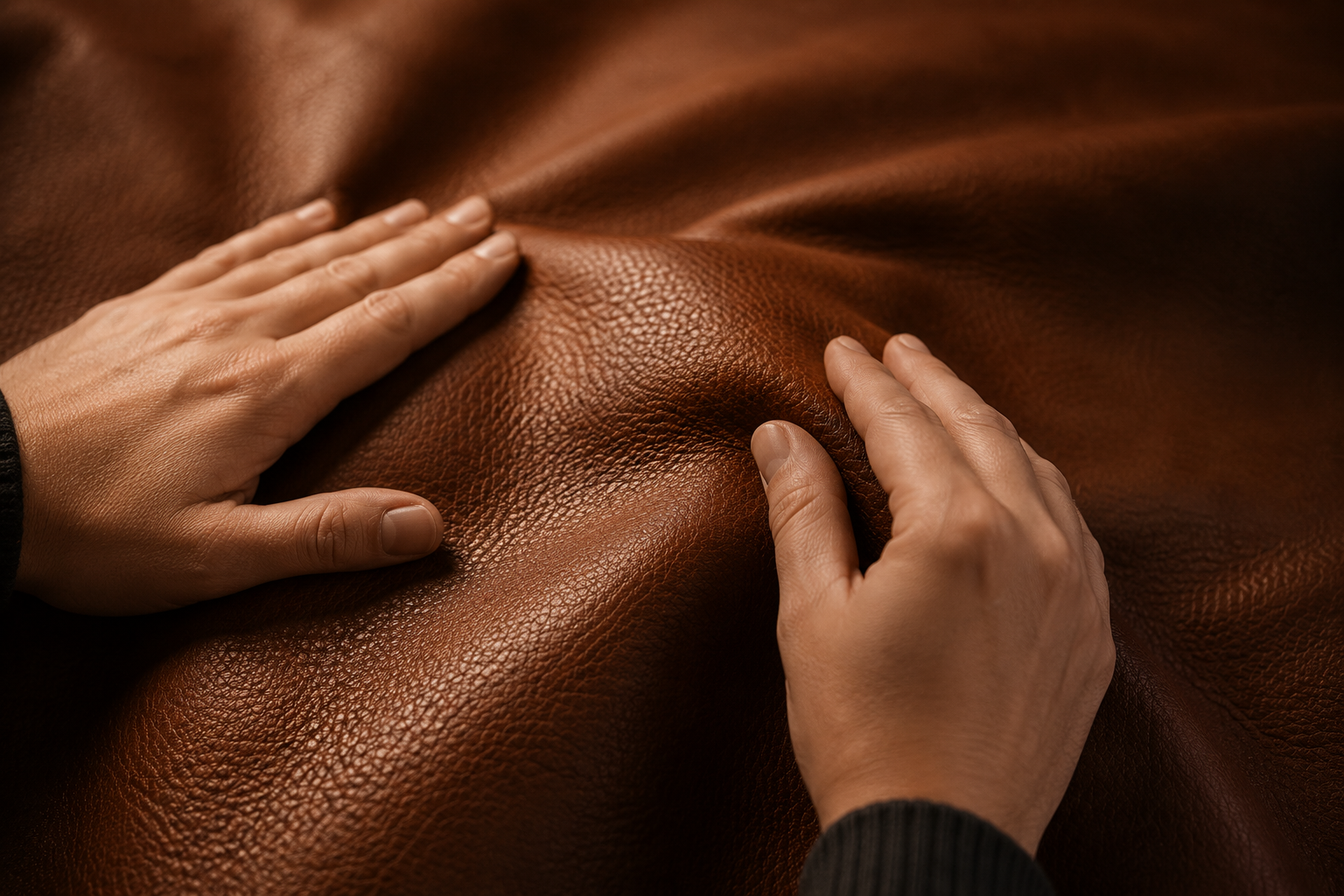
Leather offers several characteristics that respond well to the demands of the restaurant industry. Dining establishments operate in environments with constant handling and frequent customer interaction, which naturally leads to wear over time. In this context, menus made from leather provide clear advantages. Their structural resistance allows them to maintain their appearance through extended use. The material is also relatively easy to maintain, helping restaurants preserve a clean and polished presentation. Over time, leather often develops a natural patina that enhances its character, reinforcing the perception of authenticity and quality.
Beyond its functional benefits, leather also plays an important aesthetic role. The texture and finish of the material convey solidity and attention to detail. This visual presence works well across a wide range of restaurant concepts, from contemporary dining rooms to more classic or traditional interiors. Natural materials are frequently associated with reliability, craftsmanship, and quality, all of which contribute to a more coherent and memorable dining experience. In an industry where visual identity increasingly supports brand positioning, the menu becomes part of the restaurant’s overall design language.
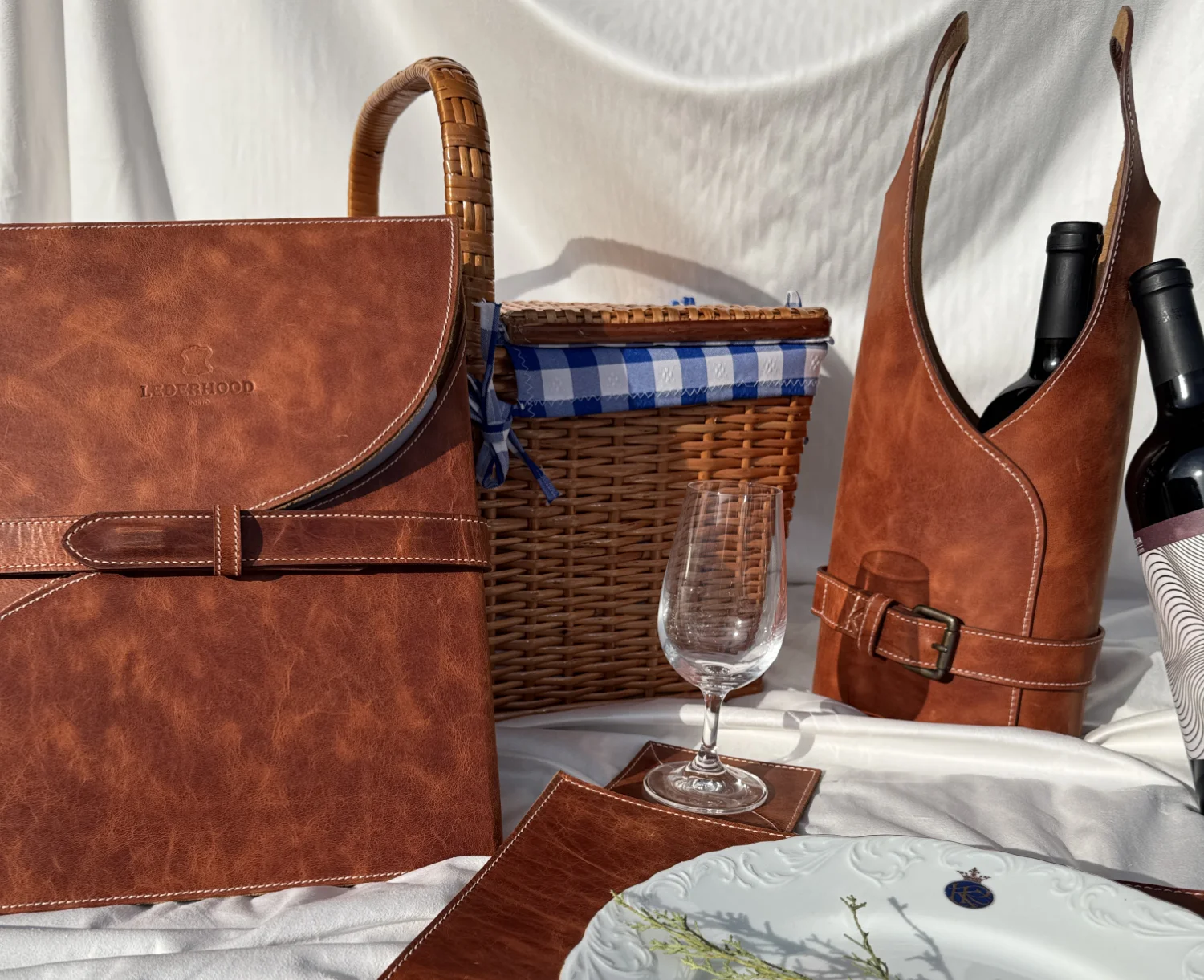
Another important factor in premium restaurant menus is the ability to personalize them in a refined way. Leather allows branding elements to be incorporated discreetly through techniques such as embossing, subtle logo placement, or custom finishes. These options help create menus that align closely with the visual identity of the restaurant. Rather than appearing generic or disposable, personalized leather menus contribute to a more cohesive atmosphere where every element reflects the restaurant’s concept and positioning.
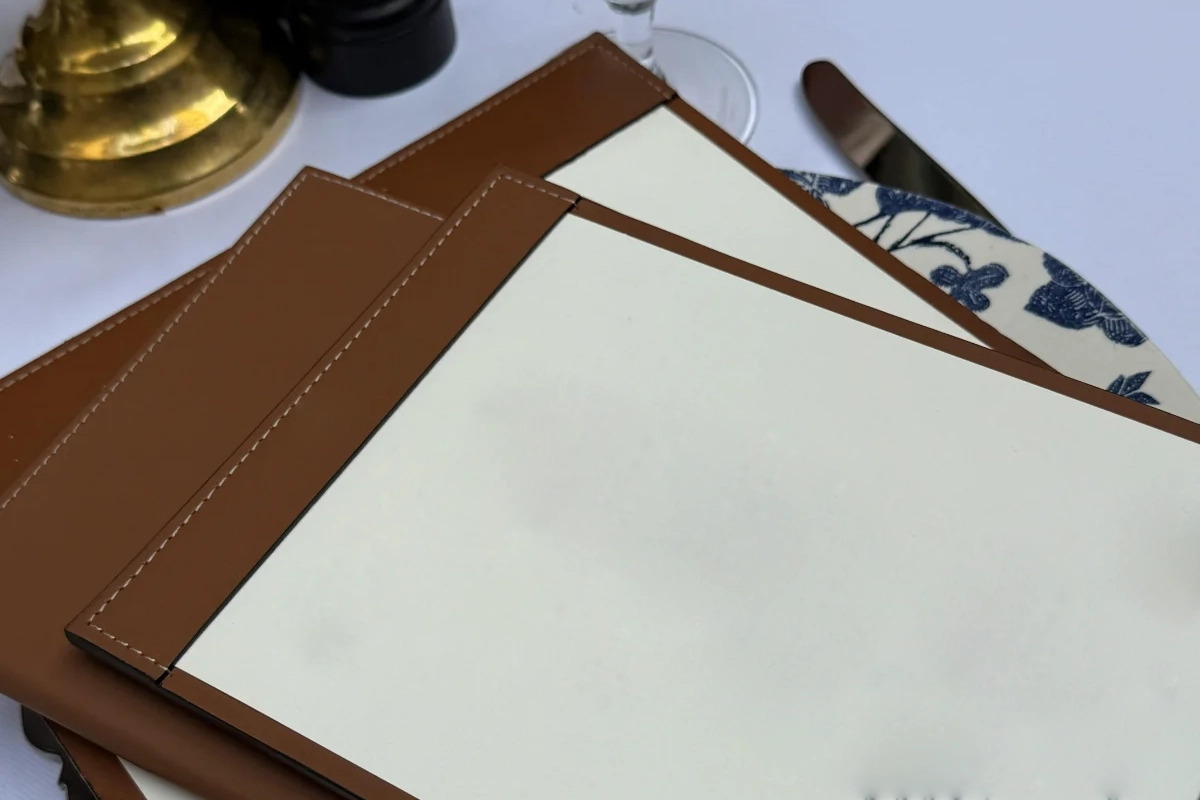
Within the hospitality sector, specialized production also plays a role in achieving consistent quality. The Lederhood develops leather menus designed specifically for professional use in restaurants and hotels. These products focus on durability, premium finishing, and customization options that adapt to different interior concepts. The objective is to integrate the menu as both a functional tool and a visual element that supports the identity of the establishment.
Choosing the material for a menu should therefore be viewed as a strategic decision rather than a purely practical one. Lower-quality materials often require frequent replacement, which can disrupt visual consistency and reduce the perception of attention to detail. Leather, by contrast, offers a longer-term solution that combines durability with a refined aesthetic. This balance makes it particularly suitable for restaurants that aim to reinforce a premium positioning.
In environments where presentation, durability, and visual identity are essential, leather remains one of the most complete solutions for premium restaurant menus. Its ability to combine functionality, elegance, and longevity explains why it continues to be widely used in restaurants that prioritize quality and consistency across every aspect of the dining experience.