
In the hospitality and restaurant sector, the identity of a space is not built solely on architecture or service. Every detail, from décor to table presentation, contributes to creating a unique atmosphere that communicates values and sets the establishment apart from the competition.
Among the materials that best reflect sophistication, authenticity, and durability, high-quality leather plays a leading role. Through exclusive design and carefully crafted pieces, this material helps hotels and restaurants strengthen their identity and deliver a memorable experience.
The value of leather in hospitality and restaurants
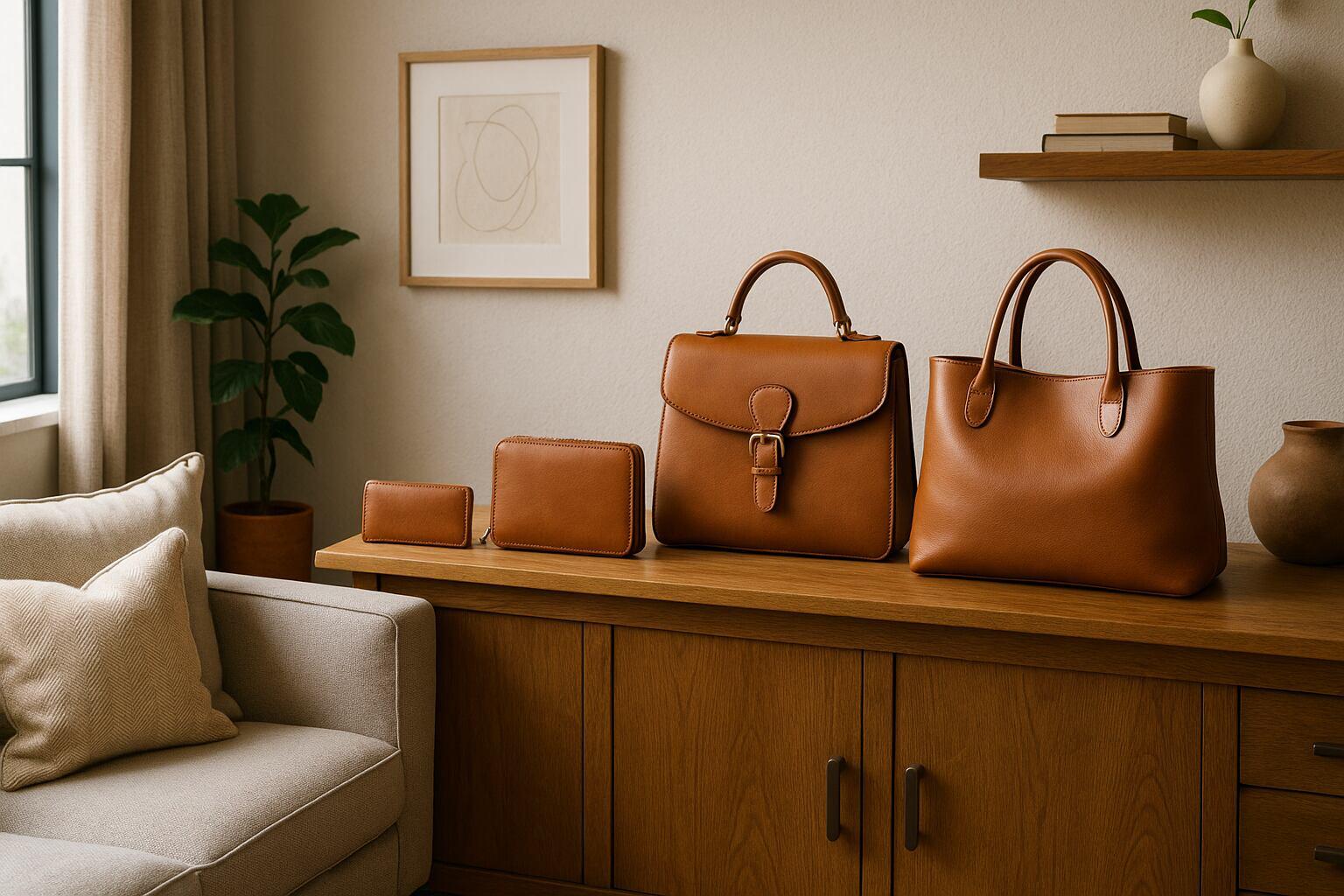
Leather is a noble material, associated with elegance, durability, and tradition. When applied to hospitality and dining environments, it immediately conveys a sense of luxury and attention to detail.
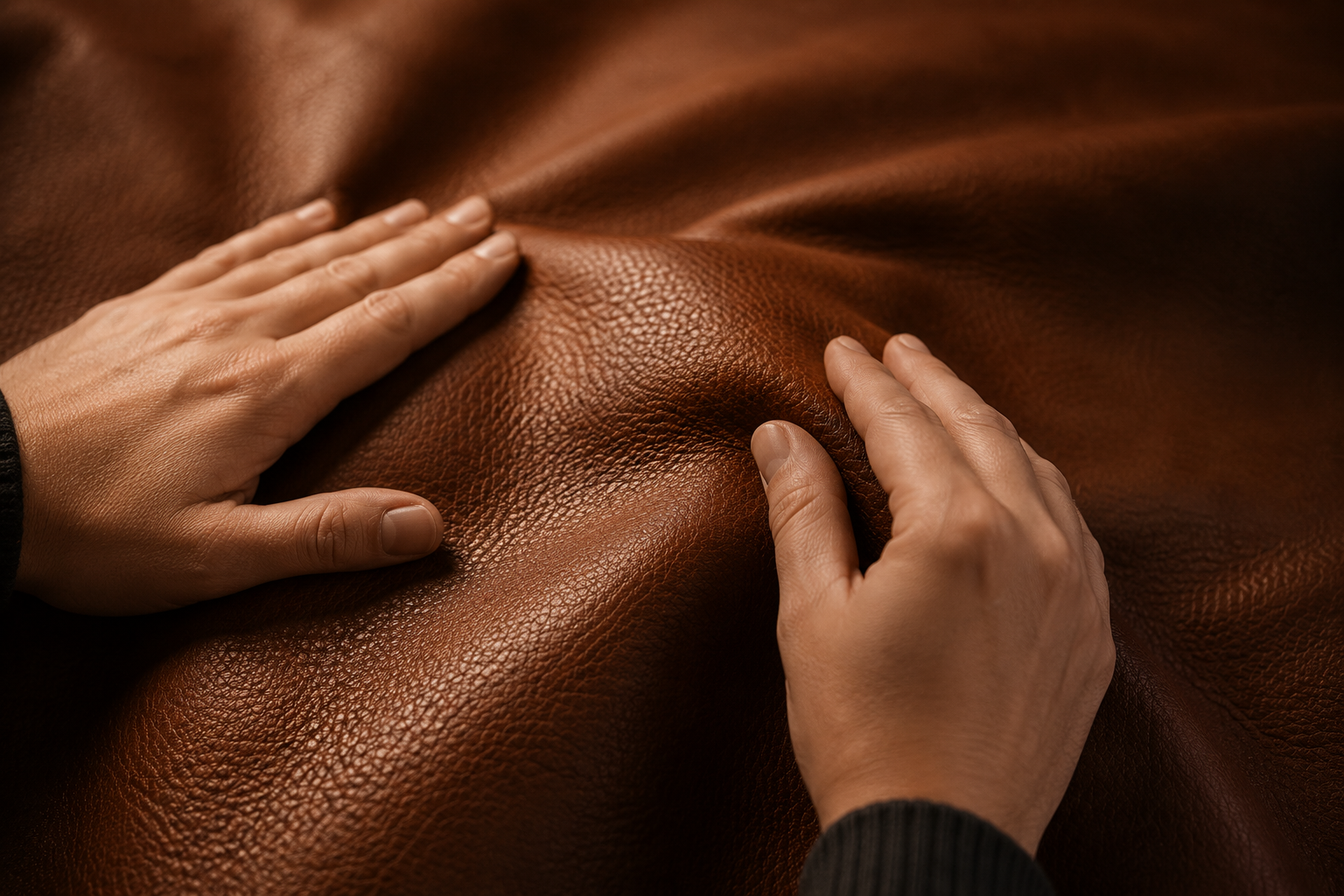
Beyond functionality, leather adds premium aesthetics: its texture, finish, and resistance communicate professionalism and exclusivity. This is why it is often chosen in interior design projects for mid- to high-end and luxury spaces.
Key attributes of leather:
- Durability: withstands intensive use while maintaining quality over the years.
- Versatility: adapts to different design styles, from classic to contemporary.
- Exclusivity: each leather piece is unique, especially when handmade.
- Sustainability: in artisanal production, leather is crafted using responsible and lasting techniques.
Brand identity through exclusive design
Every hotel or restaurant seeks to stand out in the market with a unique identity that goes far beyond a logo. Thanks to its versatility and nobility, leather design allows this identity to materialize in visible and tactile elements that customers interact with every day.
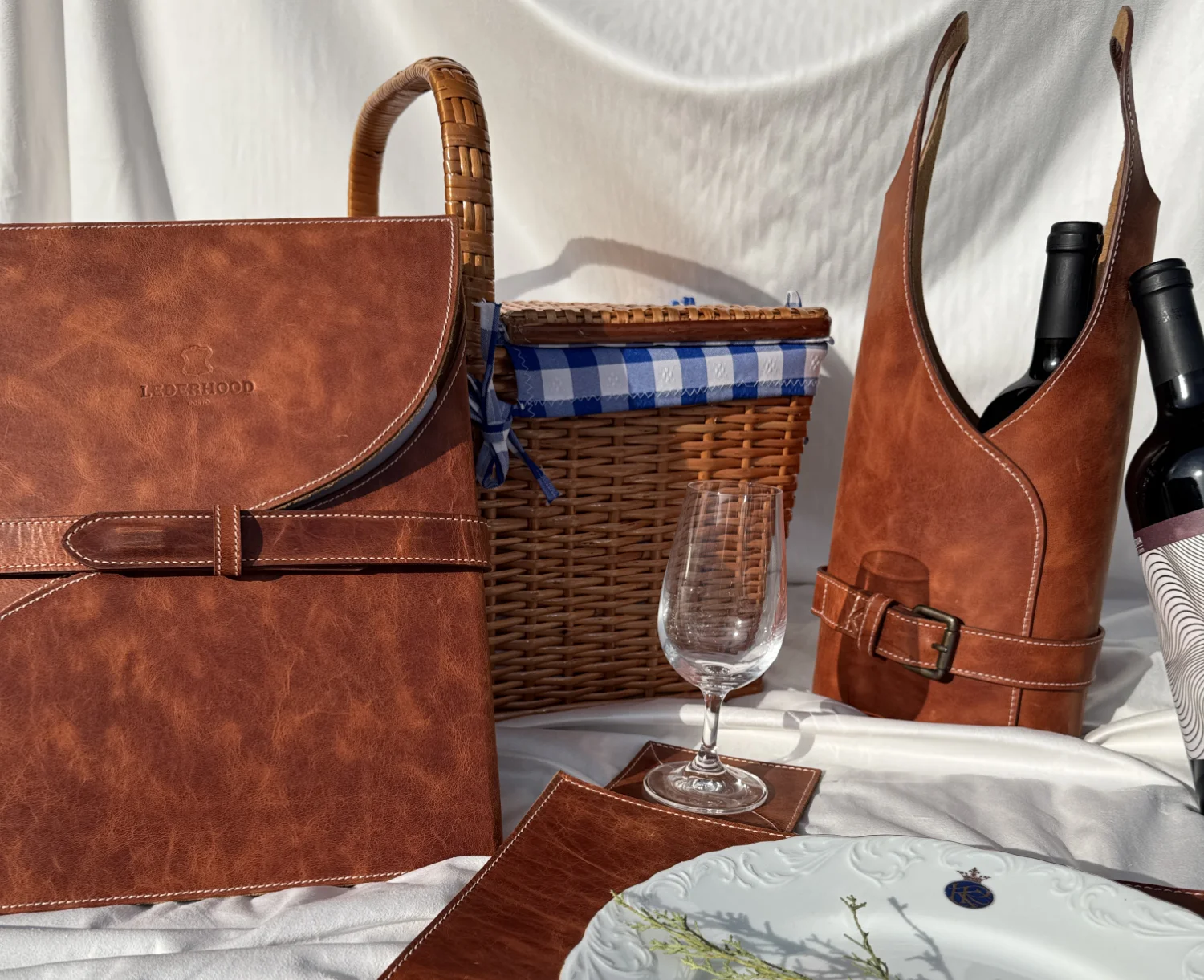
Pieces such as menus, bill holders, table mats, lamps, and even decorative accessories can be developed with exclusive designs, reinforcing the space’s visual coherence and expressing the brand’s personality.
A minimalist restaurant may choose simple lines in smooth leather, while a boutique hotel may value hand-stitched details or customized textures.
The role of leather customization
More than just selecting quality products, hotel and restaurant managers seek solutions that reflect their image. Leather customization meets this need, offering the possibility to engrave logos, apply specific colors, or develop fully tailor-made pieces.
This attention to detail adds exclusivity and strengthens the perception of care in the customer’s eyes. When opening a leather-engraved menu or receiving the bill in a personalized holder, the guest understands that nothing has been left to chance.
Craftsmanship as a differentiating factor
In times of mass production, handmade products stitched with artisanal techniques stand out for their authenticity. Leather craftsmanship is not only an aesthetic choice but also a narrative: each piece tells a story of tradition, care, and dedication.
This added value is especially appreciated in luxury hospitality and fine dining, where customers seek unique and authentic experiences. By integrating handcrafted leather articles, a space communicates exclusivity and a connection to timeless quality.
Consistency and coherence in the customer experience
One of the greatest challenges in the sector is ensuring a consistent experience across all customer touchpoints. Leather design contributes to this coherence by creating an aesthetic connection between different elements: menus, coasters, placemats, bottle holders, and even decorative pieces.
This visual and tactile consistency reinforces the identity of the space, creates lasting memories, and increases perceived value. Ultimately, it is an investment that not only enhances the immediate experience but also strengthens the brand’s reputation in the long term.
The identity of a hotel or restaurant is built through a set of details that together create a memorable experience. Leather design, thanks to its durability, versatility, and exclusivity, is one of the most effective elements to convey sophistication and reinforce the personality of the space.