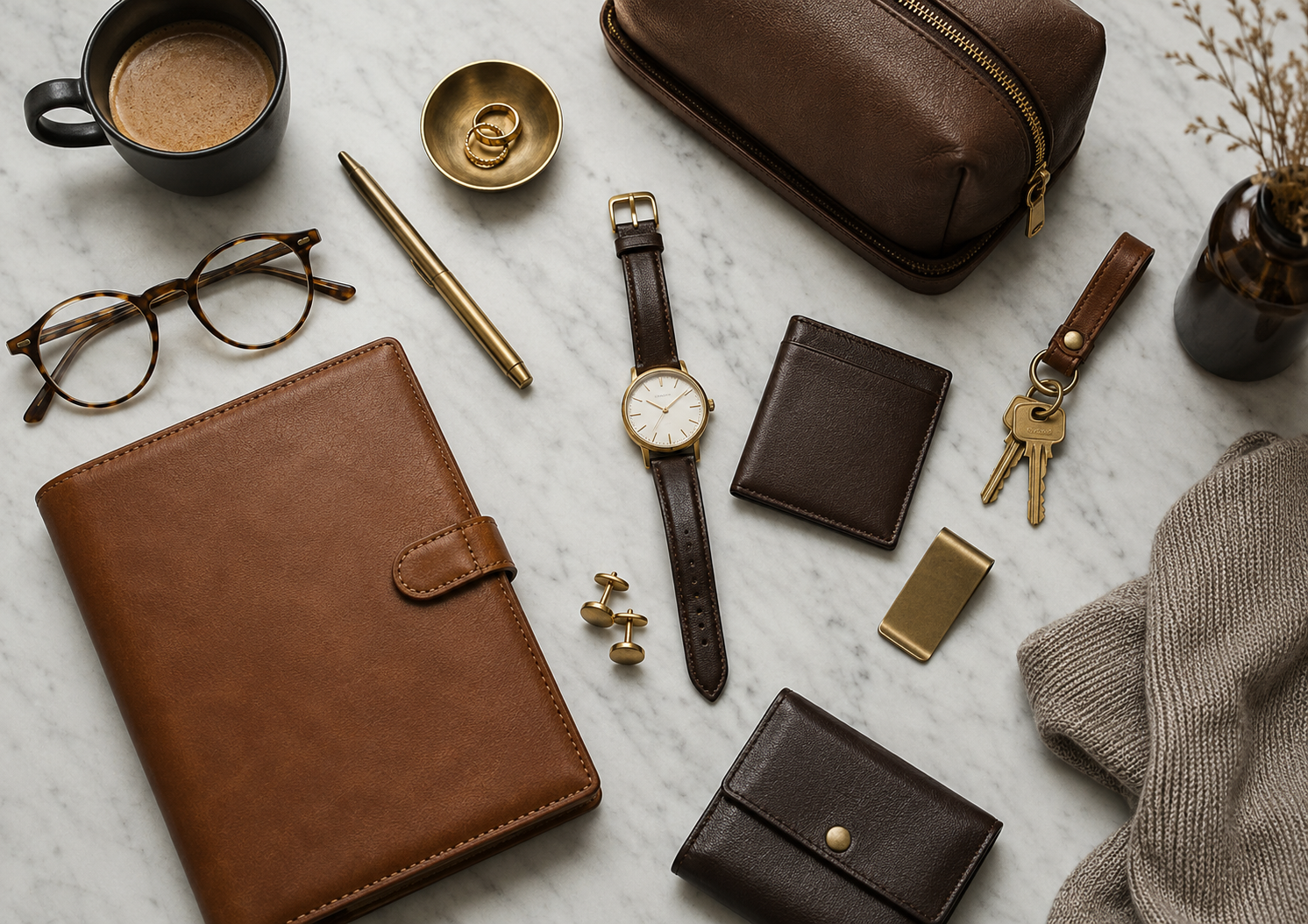
Leather has been used in design for centuries, yet it continues to feel relevant in modern interiors, fashion, and everyday accessories. From classic furniture to contemporary hotel interiors, this natural material adapts to changing styles without losing its distinctive character. Its appeal comes from a combination of texture, durability, versatility, and craftsmanship that makes it suitable for both traditional and modern settings.
Understanding why leather remains popular helps explain the lasting appeal of timeless leather design and why it continues to be chosen for products that combine aesthetics with practical value.
A Natural Material with Unique Character
One of leather’s most distinctive qualities is its natural appearance. Unlike materials manufactured to look perfectly uniform, leather can display subtle variations in grain, texture, and colour. These characteristics give each piece an individual identity and make the material visually interesting without requiring elaborate decoration.
Leather can also change gradually with use. Depending on the type of leather and its finish, exposure to light and regular handling may create a patina that adds depth and character. Rather than simply looking worn, well-maintained leather can develop an appearance that reflects its history and use.
This connection between natural texture and individuality is one reason leather continues to feature in designs that prioritise authenticity and lasting appeal.
Durability That Goes Beyond Trends
Style alone does not explain leather’s enduring popularity. Durability also plays an important role. When the right leather is selected for the intended application and maintained appropriately, it can remain functional and attractive for many years.
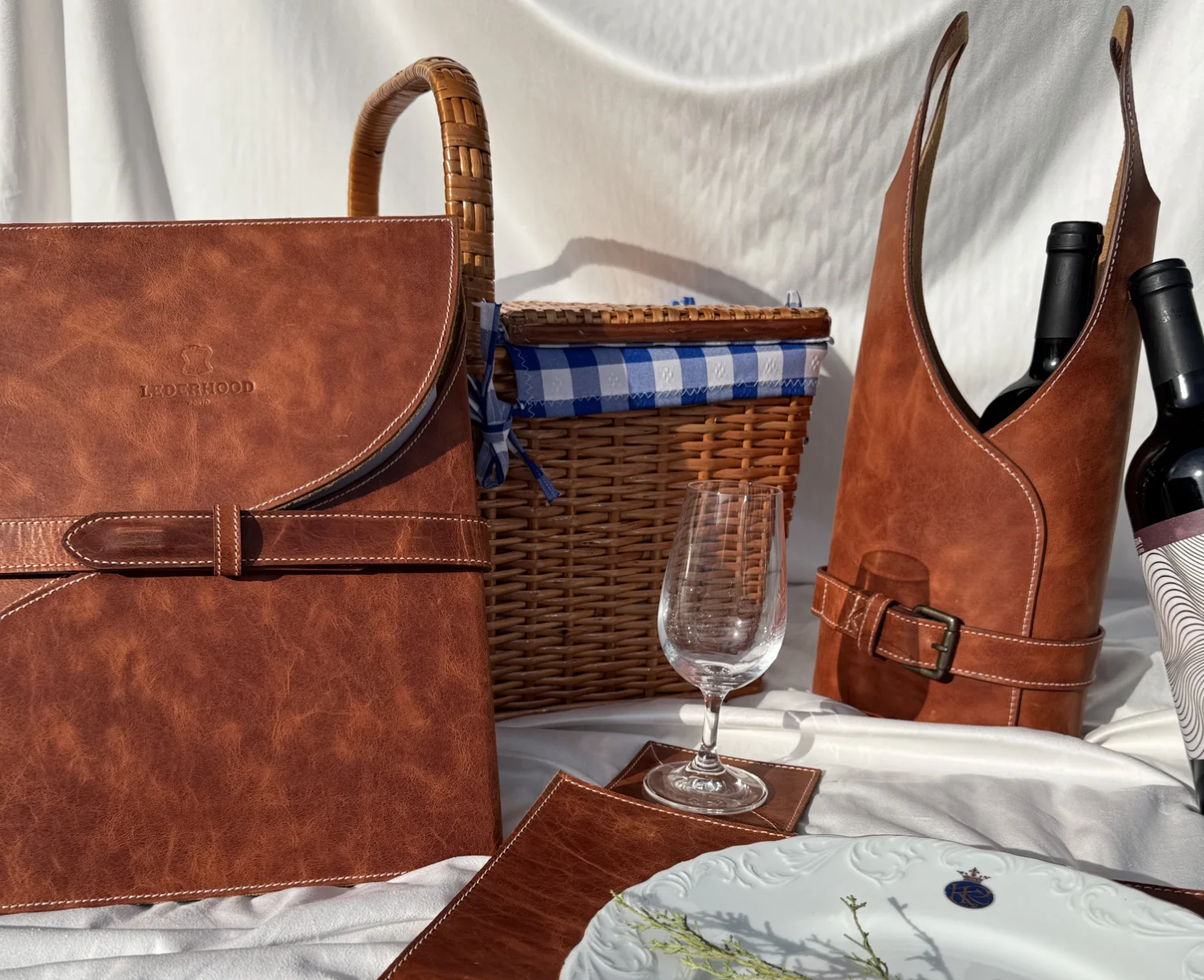
This makes leather particularly relevant in environments where products are handled frequently, such as hotels, restaurants, and other hospitality spaces. Accessories such as menus, coasters, placemats, and bottle holders need to combine visual appeal with practical performance.
Choosing durable products can also reduce the need for frequent replacement. In this sense, timeless leather design is not only about appearance but also about investing in products intended to remain useful beyond short-lived trends.
Versatility in Modern Design
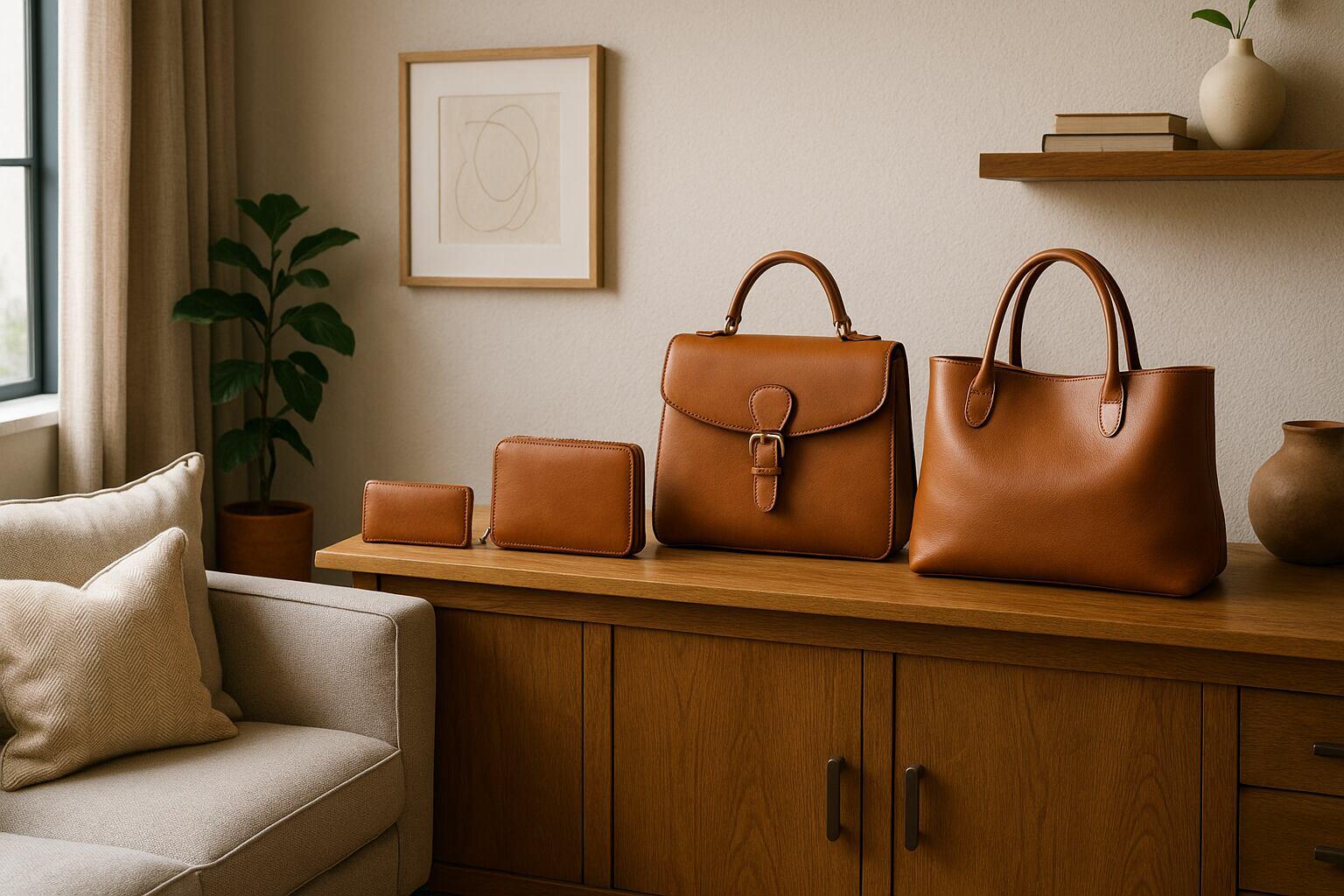
Another reason leather never goes out of style is its ability to adapt to different design approaches. It can create a warm, traditional atmosphere or complement a clean, contemporary interior. The result depends on the colour, texture, finish, shape, and way the material is combined with other elements.
Dark brown and black leather can create a classic, sophisticated look, while lighter shades and more textured finishes can feel relaxed and modern. Leather also works well alongside materials such as wood, metal, stone, and fabric, making it easy to incorporate into different environments.
Lederhood applies this versatility to leather products designed for hotels and restaurants, creating pieces that can complement different interior concepts while maintaining a consistent, premium appearance. Customisation options also allow colours, finishes, and design details to reflect the identity of each space.
Craftsmanship and Lasting Value
Leather has a strong association with craftsmanship because working with it requires attention to material selection, cutting, construction, stitching, and finishing. These details influence not only the final appearance but also the quality and functionality of the product.
For Lederhood, combining leather with considered design and production in Portugal allows the creation of hospitality accessories that balance practical needs with a distinctive visual identity. Rather than relying on temporary trends, the focus is on products designed to suit their environment and remain relevant over time.
Ultimately, leather never goes out of style because it offers more than a particular look. Its natural character, durability, versatility, and connection to craftsmanship make it a lasting choice for interiors and accessories. When these qualities are combined with thoughtful design, leather products can remain attractive and useful long after trends have changed.