The comparison between leather vs synthetic materials has become increasingly common in industries such as hospitality, restaurants, and interior design. Although synthetic materials have improved significantly over the years, leather continues to stand out for its combination of durability, premium appearance, and ability to age naturally. In professional environments where presentation and resistance are essential, these differences become even more noticeable.
Durability and material aging
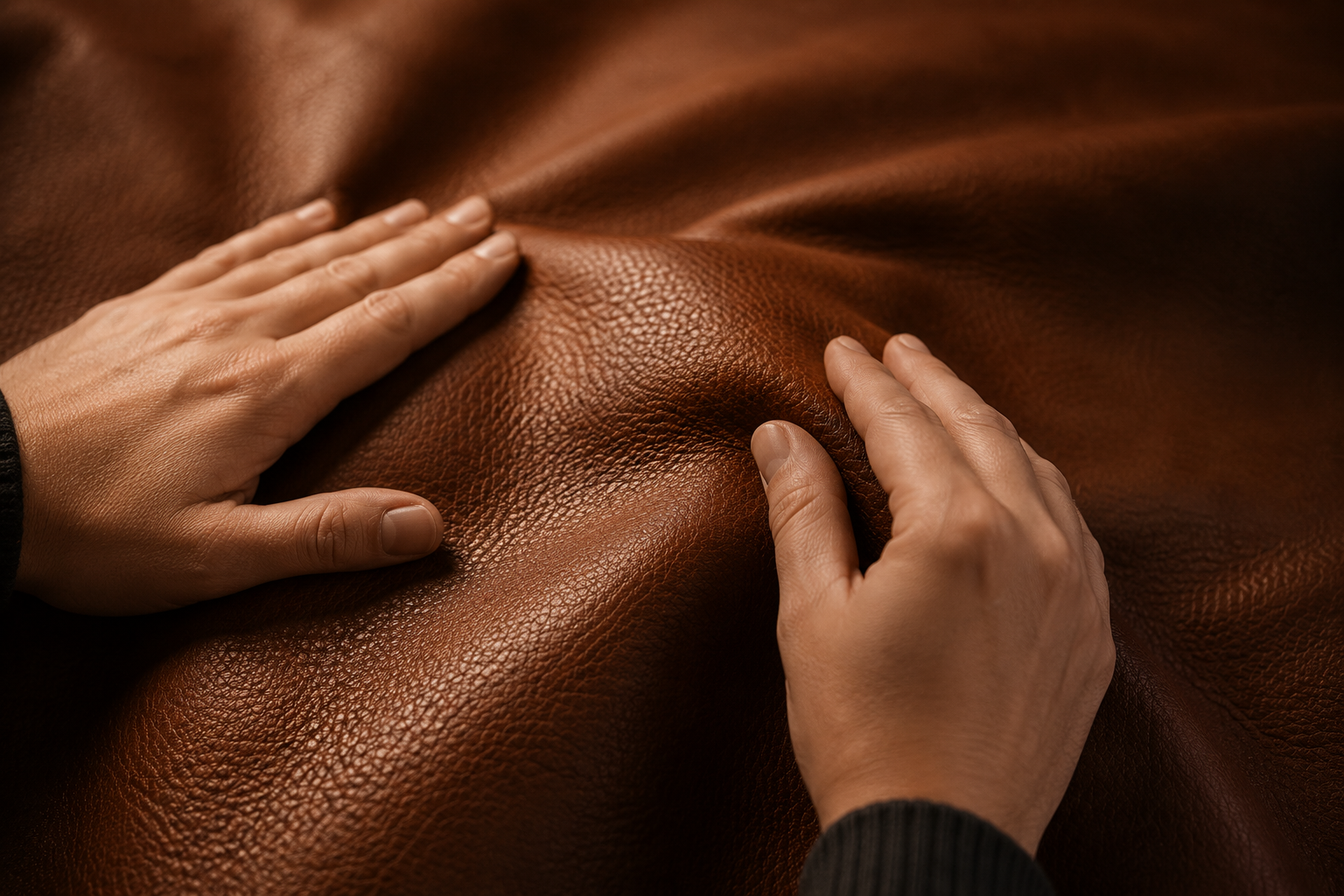
One of leather’s greatest advantages is its longevity. Products made from high-quality leather can withstand years of use while maintaining their structure, texture, and refined appearance. Many synthetic materials, on the other hand, tend to show wear much more quickly, especially in high-traffic environments. Cracking, peeling, and texture loss are common issues with lower-quality synthetic alternatives. Leather, by contrast, often develops a natural patina over time, enhancing its character and authenticity.
Another important factor in the comparison between leather and synthetic materials is maintenance and aging. While many artificial materials visibly deteriorate after prolonged use, quality leather tends to maintain — or even improve — its appearance when properly cared for. Cleaning, conditioning, and regular maintenance help extend the lifespan of leather products, making them a more efficient long-term solution.
The premium perception of leather
Beyond durability, there is also a clear difference in aesthetic perception. Leather has a natural texture, weight, and finish that are difficult to replicate with artificial materials. In hotels, restaurants, and premium spaces, these details contribute to a more sophisticated and cohesive visual experience. Leather products communicate attention to detail, quality, and visual consistency, all of which are increasingly valued in customer experience.
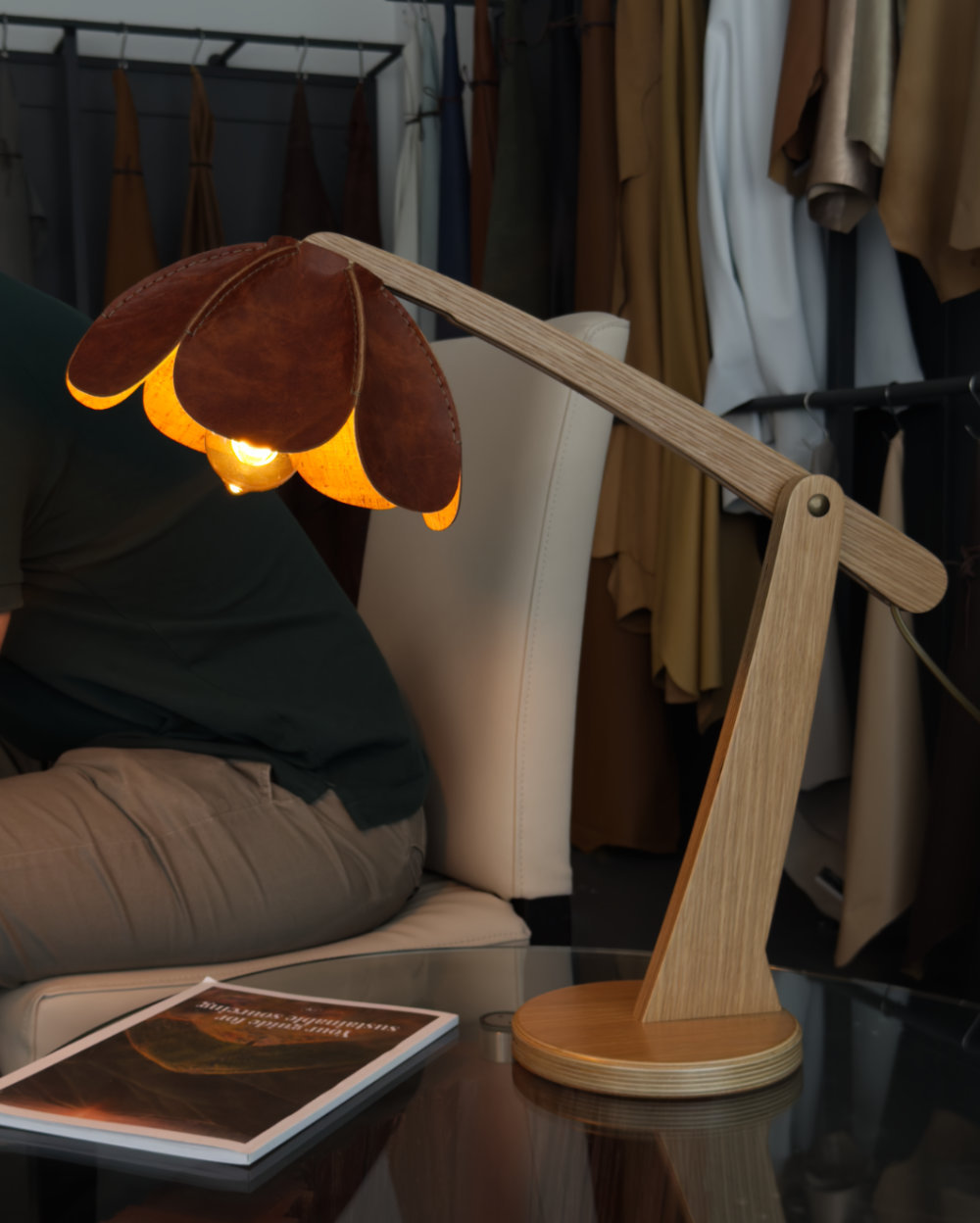
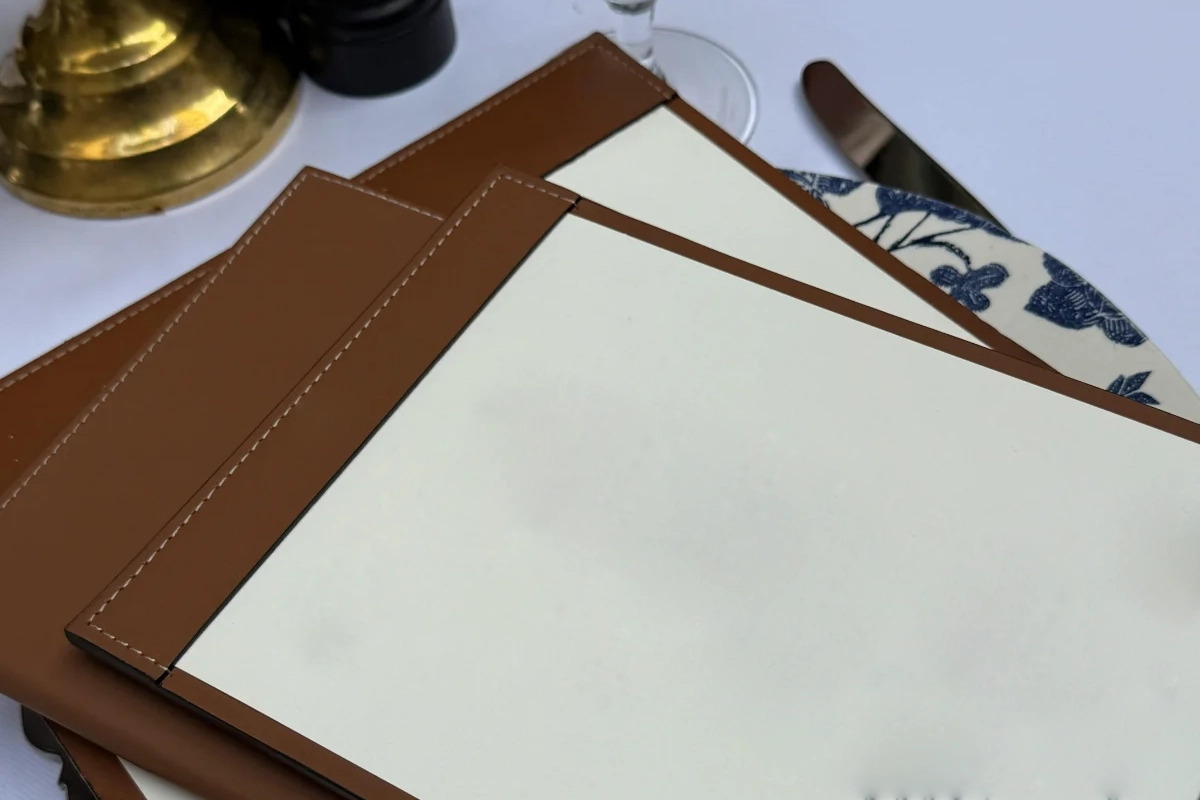
The Lederhood uses carefully selected leather to develop products specifically designed for professional hospitality environments. The focus is on combining durability, elegance, and customization, allowing each piece to align with the visual identity of the space. Rather than disposable or temporary solutions, Lederhood creates products designed for long-term use and consistent presentation over time.
Although synthetic materials may offer a lower initial cost, leather remains the preferred option in environments where durability, aesthetics, and premium positioning are priorities. In the debate of leather vs synthetic materials, leather continues to offer a clear advantage when the goal is to combine resistance, sophistication, and longevity in a single material.