
Leather is one of the oldest and most noble materials used by humankind, remaining to this day a synonym for durability, elegance, and sophistication. In hospitality, restaurants, and various design sectors, it is highly valued for its versatility and its ability to transform simple objects into prestigious pieces.
But how can we distinguish high-quality leather from other options available on the market? And how can we enhance the value of such a special material?
What sets quality leather apart
Not all leather is the same. The difference between a premium material and a lower-quality one is evident in its appearance, resistance, and even the tactile experience.
High-quality leather features characteristics that reflect not only the origin of the raw material but also the artisanal transformation process.
Key attributes of premium leather:
- Natural texture: retains small marks or variations that give it authenticity.
- Durability: withstands intensive use, remaining solid and elegant over the years.
- Flexibility: adapts to different shapes without losing its structure.
- Noble aging: over time, it develops a patina that further enriches its character.
How to recognize genuine leather
For hotel and restaurant managers, as well as final customers, it is crucial to distinguish real leather from synthetic imitations. Some signs help identify a quality material:
- The touch: leather is soft yet firm, providing a natural feel.
- The aroma: genuine leather has a distinctive smell, difficult to replicate in artificial materials.
- The surface: shows small variations, unlike the artificial uniformity of synthetics.
- The resistance: over time, it maintains its integrity even in environments of frequent use.
The value of artisanal leather
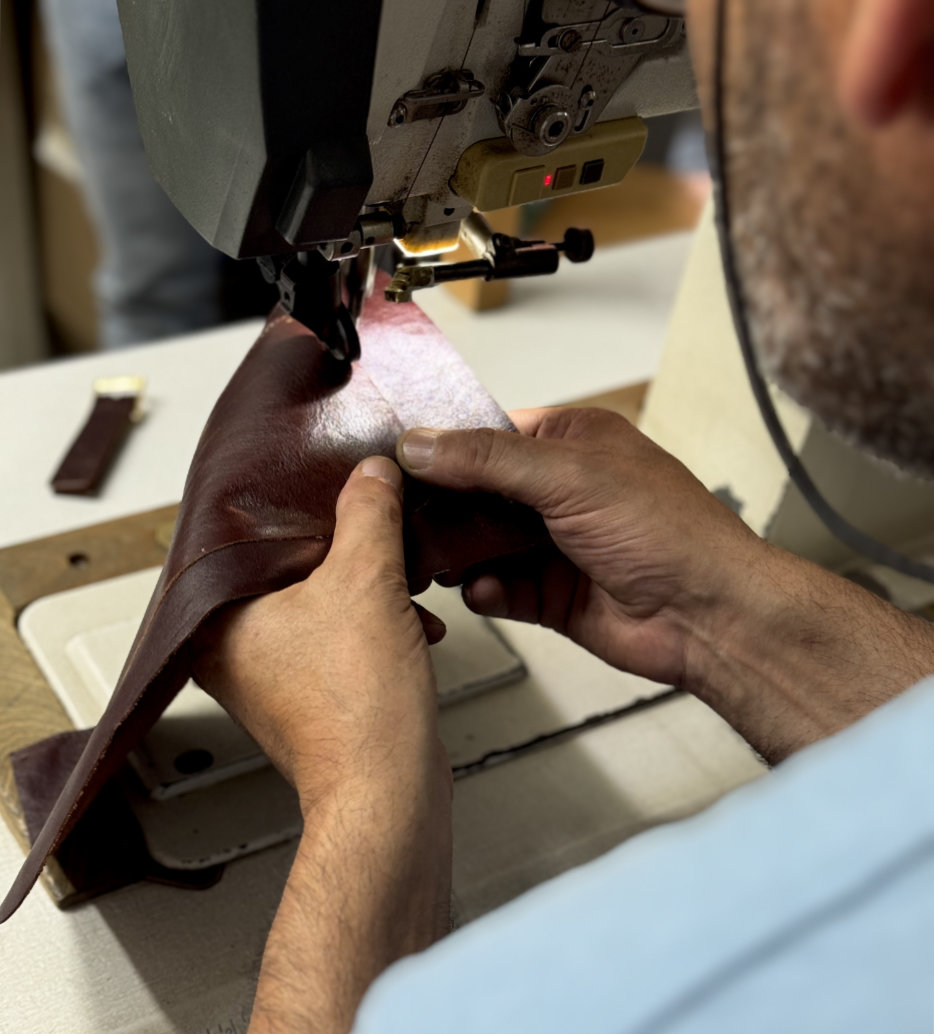
Beyond the quality of the raw material, the manufacturing process makes all the difference. Leather that is hand-stitched and crafted with artisanal techniques stands out for its attention to detail and durability. Each piece becomes unique, with an exclusive finish and a level of sophistication rarely found in industrial productions.
In hospitality and restaurants, choosing artisanal leather products is also a way of conveying authenticity and exclusivity, attributes increasingly valued by demanding customers.
Sustainability and responsibility
Another key aspect of quality leather is its longevity, which makes it a more sustainable option compared to short-lived synthetic alternatives.
When produced responsibly, leather represents a conscious choice: instead of constant replacements, it offers a long lifecycle, reducing waste and promoting more responsible consumption.
How to highlight leather in your space
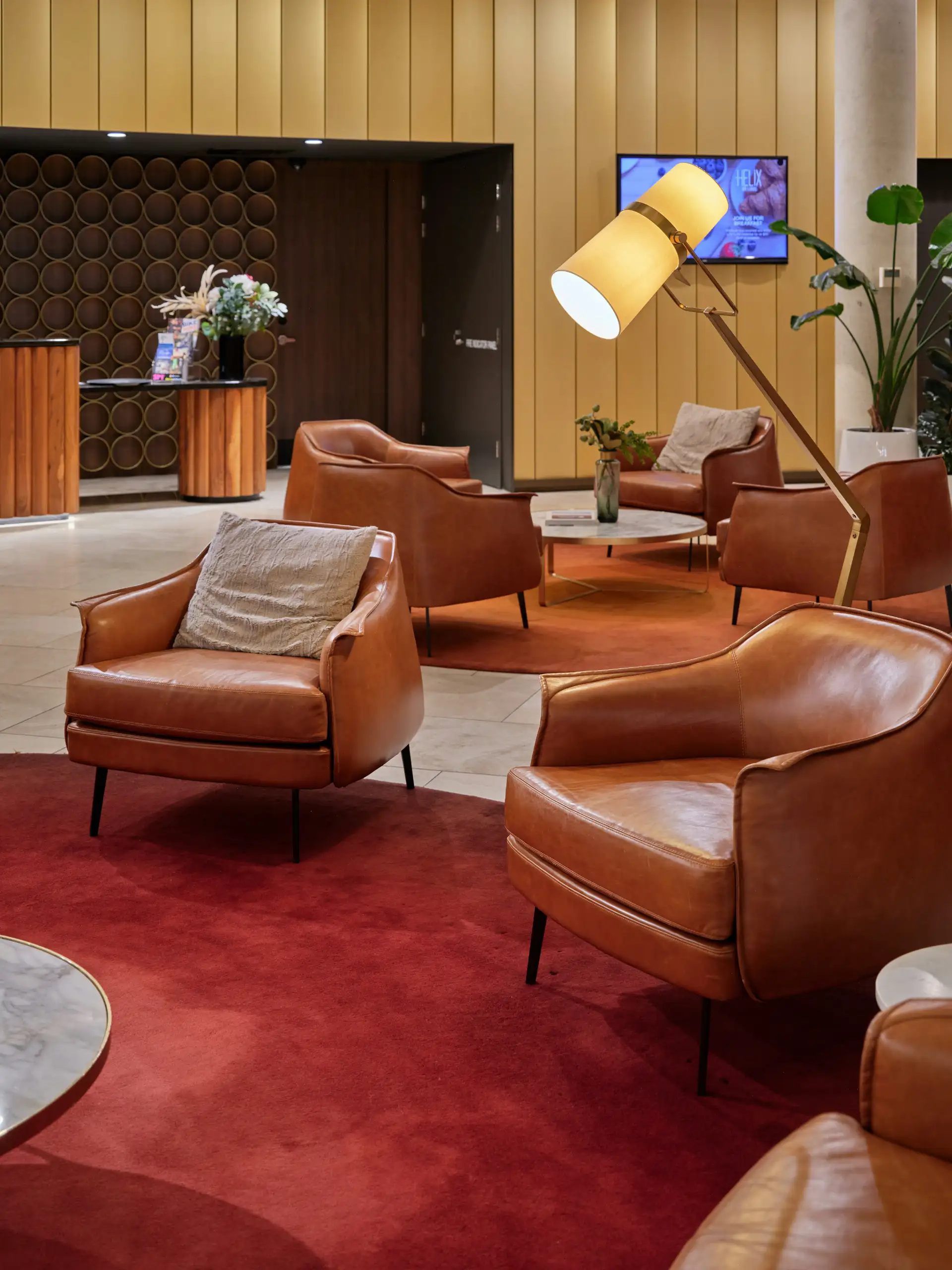
Recognizing quality leather is only the first step. The next is to enhance it by integrating it strategically into hotels, restaurants, and design projects.
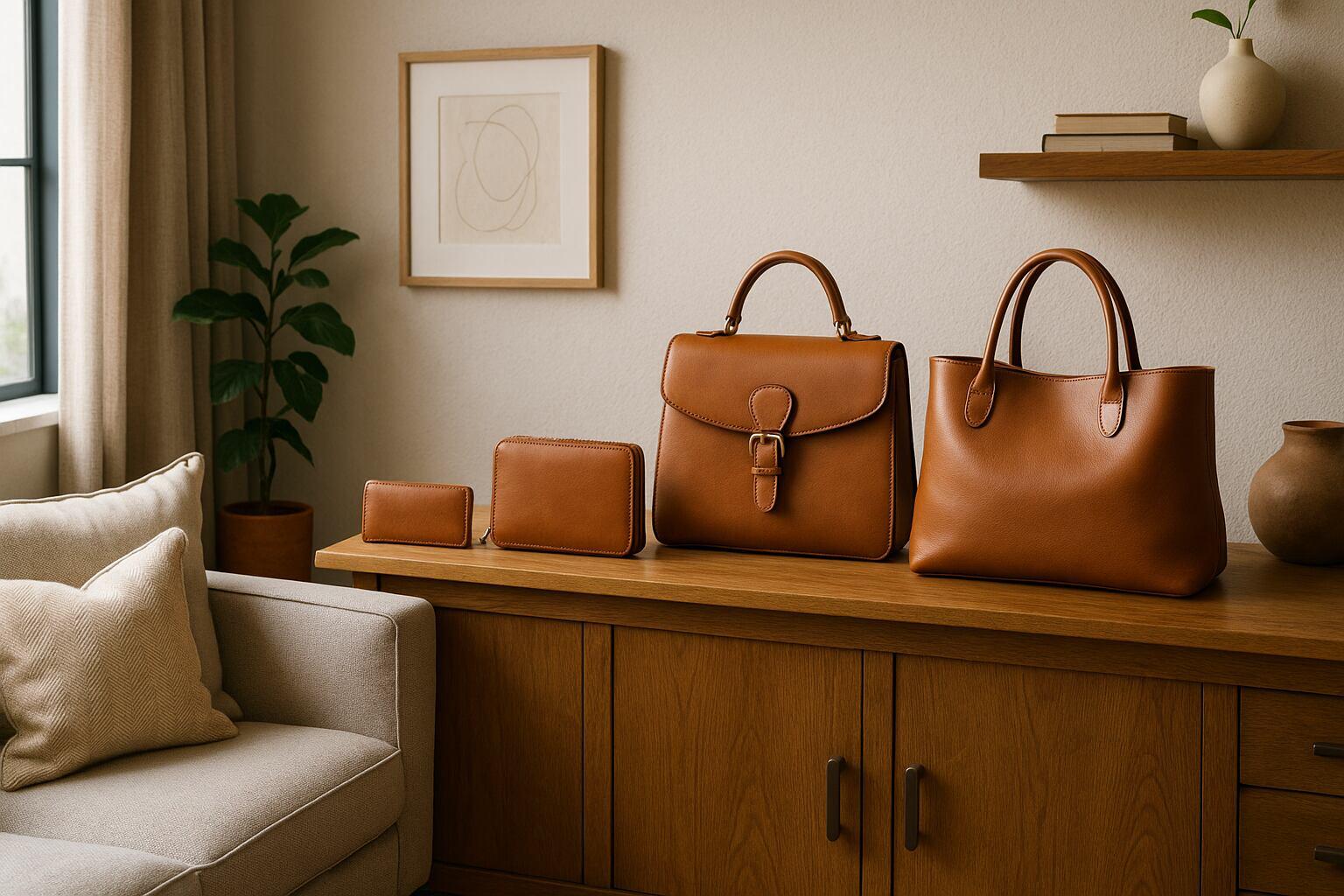
Leather menus, bill holders, placemats, or bottle holders are more than just accessories: they are symbols of sophistication and attention to detail. Moreover, when personalized, they reinforce brand identity and consistency.
Quality leather stands out for its authenticity, durability, and the noble way it ages. Recognizing and valuing it is essential for those seeking to convey sophistication and deliver memorable experiences.
In hospitality and restaurants, investing in artisanal leather goods means choosing pieces that reflect luxury, sustainability, and exclusivity.