Leather has been used for centuries to create clothing, furniture, accessories, and decorative objects. Despite its long history, many misconceptions remain about this natural material. Some people believe leather is difficult to maintain, while others assume that all leather products look the same or that natural leather is always more durable than other materials. Understanding the most common leather myths helps explain what makes leather unique and why it continues to be valued in modern design.
Myth 1: All leather is the same
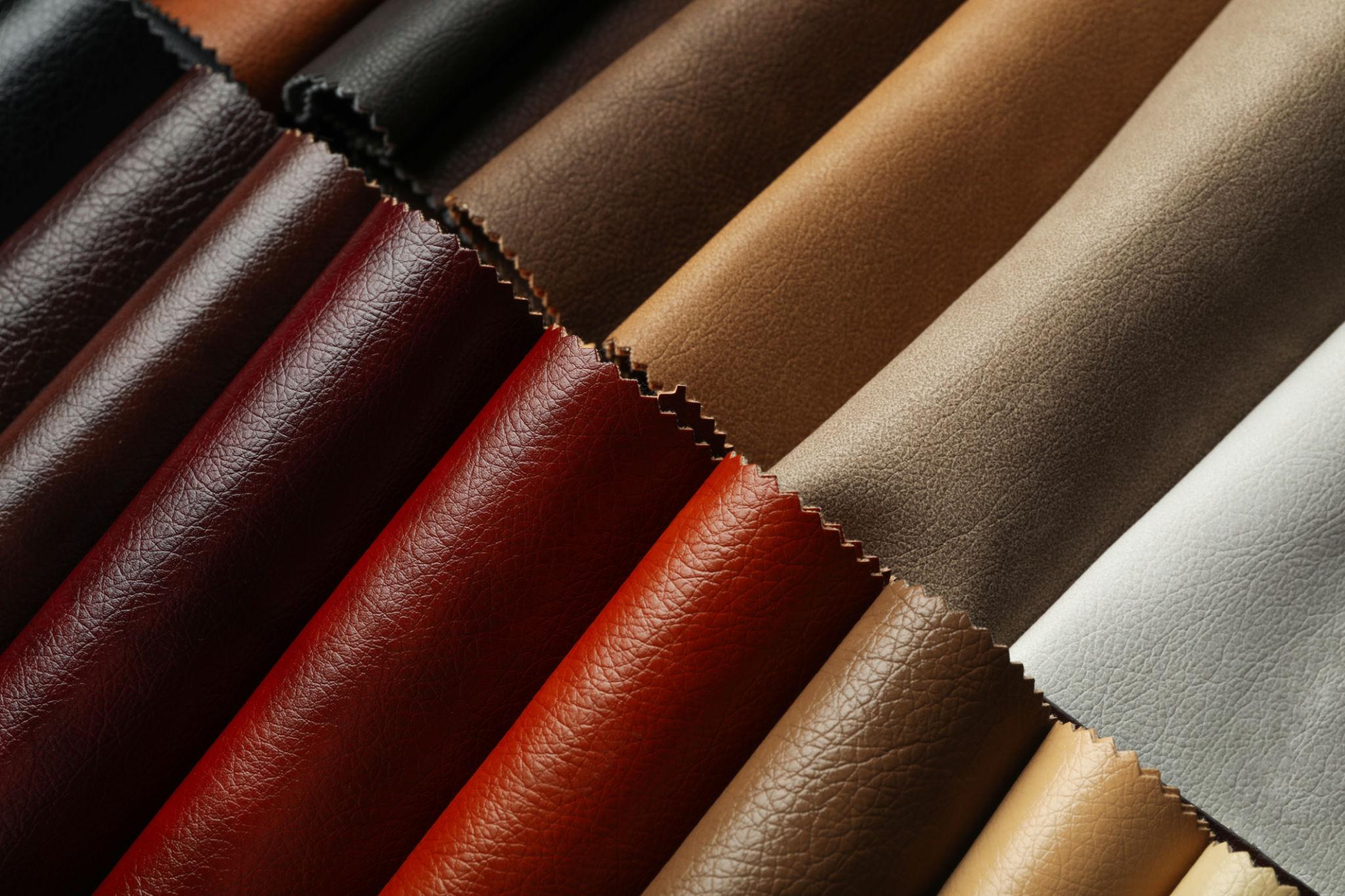
One of the most common misconceptions is that all leather has the same characteristics. In reality, leather can vary considerably depending on the animal hide, tanning process, surface treatment, thickness, and finishing technique.
Some leathers are soft and flexible, while others are firmer and more structured. Certain finishes create a smooth, uniform appearance, whereas others preserve more of the natural grain and texture. These differences influence how the material looks, feels, and performs over time.
Choosing the right leather therefore depends on the intended use. A leather accessory designed for a hotel or restaurant, for example, needs to combine appearance with practical qualities suited to frequent handling.
Myth 2: Leather is difficult to maintain
Another widespread belief is that leather requires complicated maintenance. Although it benefits from appropriate care, looking after most finished leather products does not need to be difficult.
Regularly removing dust with a soft, dry cloth and cleaning occasional marks with a slightly damp cloth can help keep leather in good condition. Harsh chemicals, abrasive products, and excessive moisture should generally be avoided, as they may damage the surface or alter its appearance.
Different finishes may require specific care, so following the manufacturer’s recommendations is always advisable. With suitable maintenance, leather products can remain attractive and functional for many years.
Myth 3: Leather always looks old as it ages
Unlike materials that are designed to maintain exactly the same appearance, natural leather can change gradually with use. Exposure to light, contact with hands, and everyday handling may influence its colour, softness, and surface.
These changes are not necessarily signs of poor quality. In many cases, they contribute to a natural patina that gives the material greater character and individuality. The way leather ages depends on its type, finish, environment, and maintenance.
For products intended to last, this ability to develop a distinctive appearance can be part of the appeal rather than a disadvantage.
Myth 4: Natural leather is always the most sustainable option
Leather’s environmental impact depends on several factors, including the origin of the hides, tanning methods, chemical management, production processes, and the useful life of the finished product.
Natural leather can make use of hides that are by-products of the food industry, giving value to a material that would otherwise require additional management. However, this alone does not make every leather product automatically sustainable. Responsible sourcing, manufacturing practices, durability, and long-term use all matter.
Lederhood focuses on creating leather goods in Portugal for professional environments, combining material selection, thoughtful design, and craftsmanship to produce products intended for repeated use over time.
Understanding leather beyond the myths
The truth about leather is more nuanced than many common assumptions suggest. Its quality varies, its maintenance can be straightforward, and its appearance may evolve naturally with use. Its sustainability also depends on how the material is sourced, processed, manufactured, and used.
Understanding these leather myths makes it easier to appreciate the characteristics of the material and choose products suited to specific needs. With the right leather, considered design, and appropriate care, leather goods can combine practicality, individuality, and lasting style.

