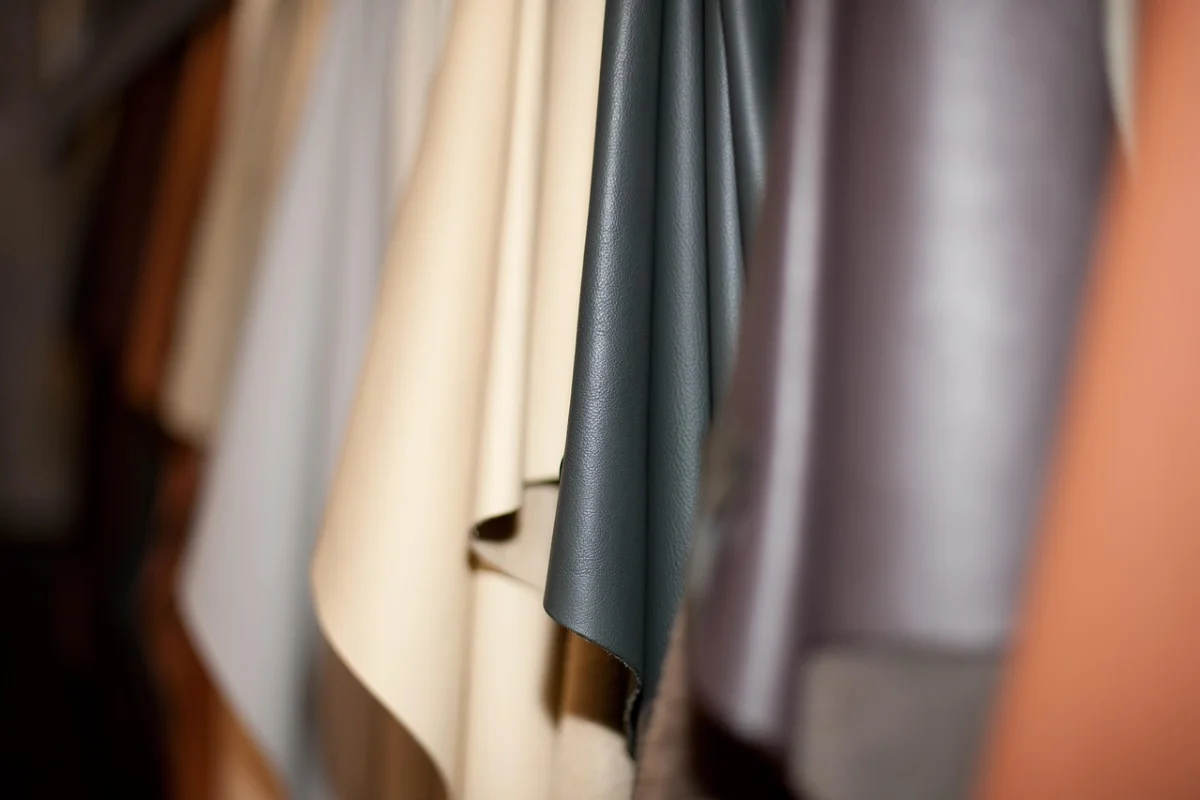

Leather may look like a simple material when it is already part of a finished product, but getting from a raw hide to a usable piece of leather involves several carefully controlled stages. Understanding how leather is made helps explain why different leathers can vary so significantly in texture, flexibility, colour, durability and appearance. From the initial preparation of the hide to the final finishing processes, every stage contributes to the characteristics of the material.
From raw hide to prepared material
The process begins with raw animal hides, which need to be preserved before they can be processed. Depending on the method used, hides may be salted or otherwise preserved to prevent deterioration before reaching the tannery. Once there, they are soaked and cleaned to remove salt, dirt and other unwanted material.
The hides then go through several preparation stages. Hair and remaining tissue are removed, while treatments help open and clean the collagen fibre structure. The hides may also be split to achieve the desired thickness. This preparation is important because it creates the foundation for the quality and characteristics of the final leather.
Tanning: the transformation into leather
The most important stage in how leather is made is tanning. This is what transforms a perishable hide into a stable and durable material that can be used for products, furniture, footwear and many other applications. During tanning, agents interact with the collagen fibres, stabilising them and preventing the material from decomposing.
There are different tanning methods, with chrome tanning and vegetable tanning among the best known. Chrome tanning is widely used because it can produce flexible leather efficiently, while vegetable tanning uses tannins derived from plant sources and is known for producing leather with a distinctive character and ability to develop a natural patina. The choice of tanning method influences the final feel, appearance and behaviour of the leather.
Colour, texture and finishing
Tanning is not the end of the process. Once the leather has been stabilised, additional treatments can be used to achieve the desired colour, softness, thickness and finish. Retanning, dyeing and fatliquoring can modify the characteristics of the leather, while drying and mechanical treatments help achieve the required texture and consistency.
Finishing can then add another layer of character and protection. Depending on the intended application, leather may be polished, embossed, buffed, coated or treated in other ways. These processes allow the same natural material to become suitable for very different products and design requirements.
The Lederhood approach begins with the selection of quality leather and continues through careful design and craftsmanship. By working with leather supplied by Simaca and transforming it into finished products in Portugal, Lederhood focuses on creating pieces that combine the characteristics of the material with practical requirements and a considered visual identity.
From finished leather to the final product
Once the leather leaves the tannery, another stage begins: turning the material into an actual product. The leather is selected and cut according to the design, with different areas of a hide offering different characteristics. Edges can be thinned, pieces assembled and stitched, and details such as colours, finishes and logos can be incorporated.
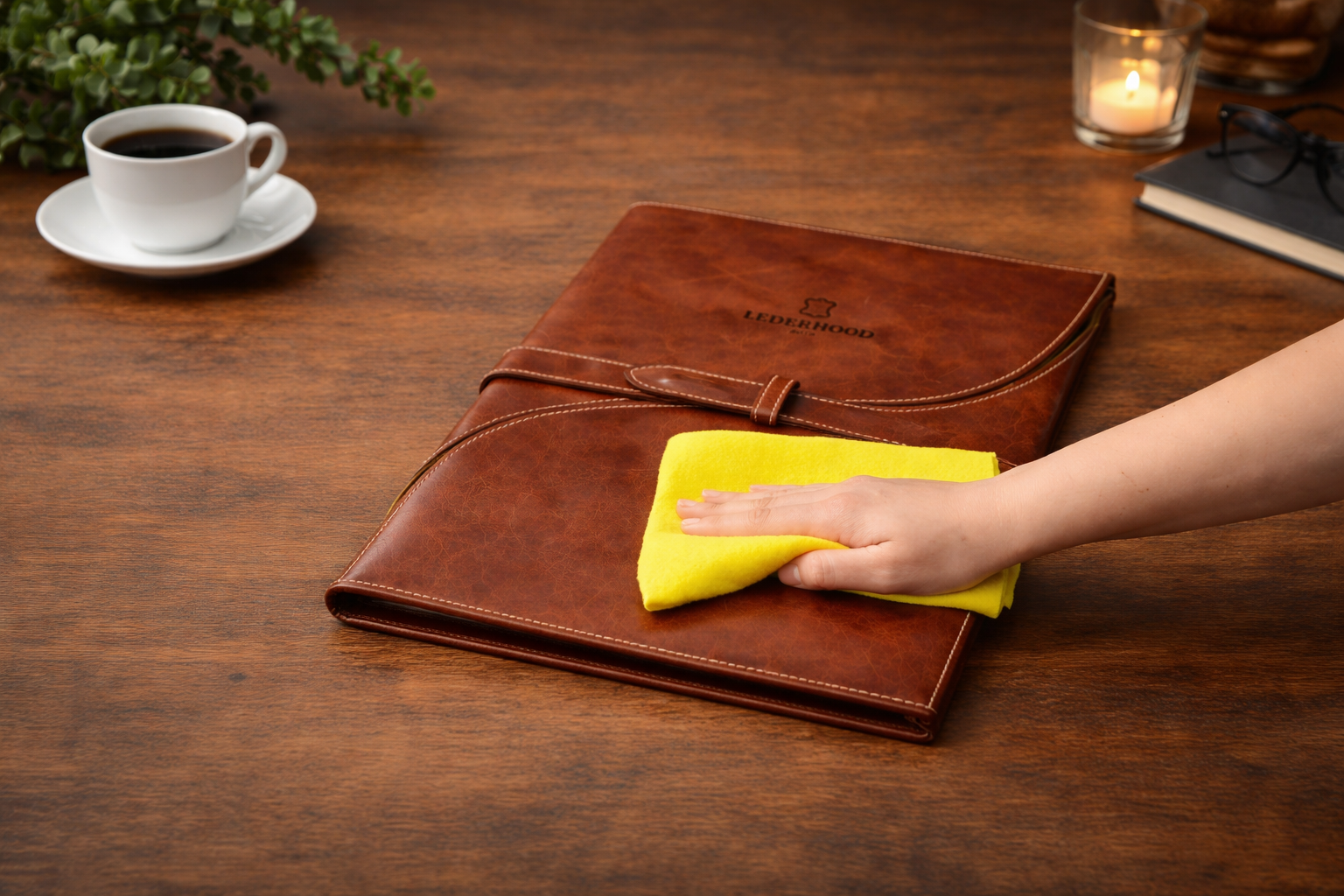
This final stage is where material and craftsmanship come together. The quality of the leather matters, but so does the way it is designed and worked. For Lederhood, this means transforming leather into products such as menus, coasters, placemats, aprons, bottle holders and other pieces designed for professional environments.
Ultimately, how leather is made is a combination of preparation, tanning, finishing and craftsmanship. Each stage influences the final result, helping explain why quality leather can offer a distinctive combination of durability, texture and character. From the original hide to a finished product, the process involves considerably more than simply treating a material, it is what gives leather many of the qualities that have made it valuable for centuries.