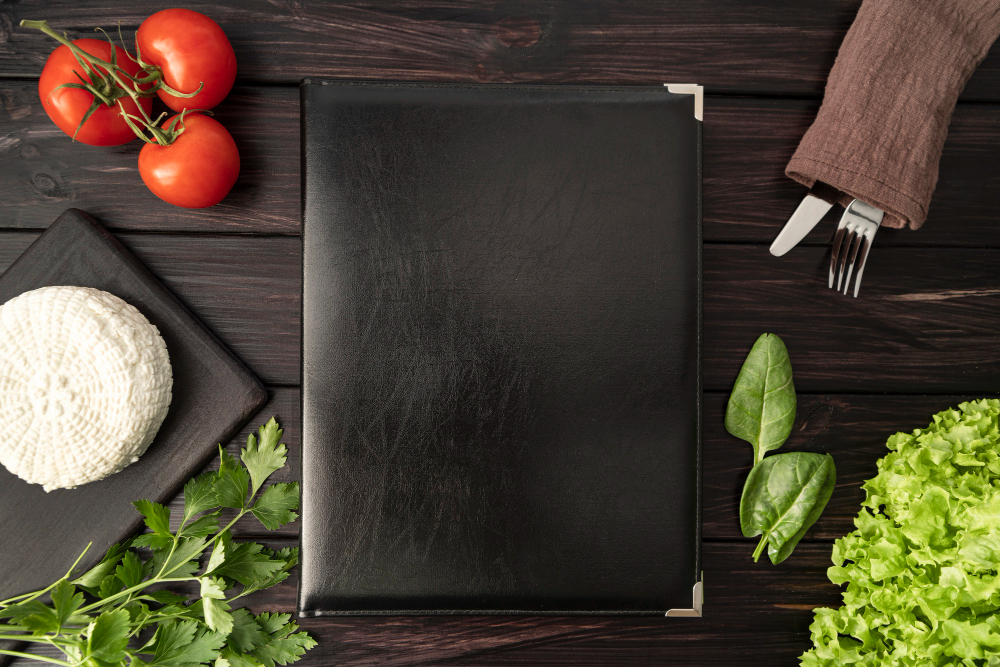
In the hospitality industry, every detail influences the overall perception of the guest experience. From service quality to visual elements, each component communicates the hotel’s positioning. Menus used in restaurants, bars, room service, and shared spaces play a significant role in this process. Leather menus for hotels stand out as a choice that reinforces sophistication, comfort, and aesthetic consistency.
The use of premium materials is closely associated with perceived quality. Leather, due to its texture and finish, integrates seamlessly into hotel environments that value elegance and attention to detail.
Visual consistency across different spaces
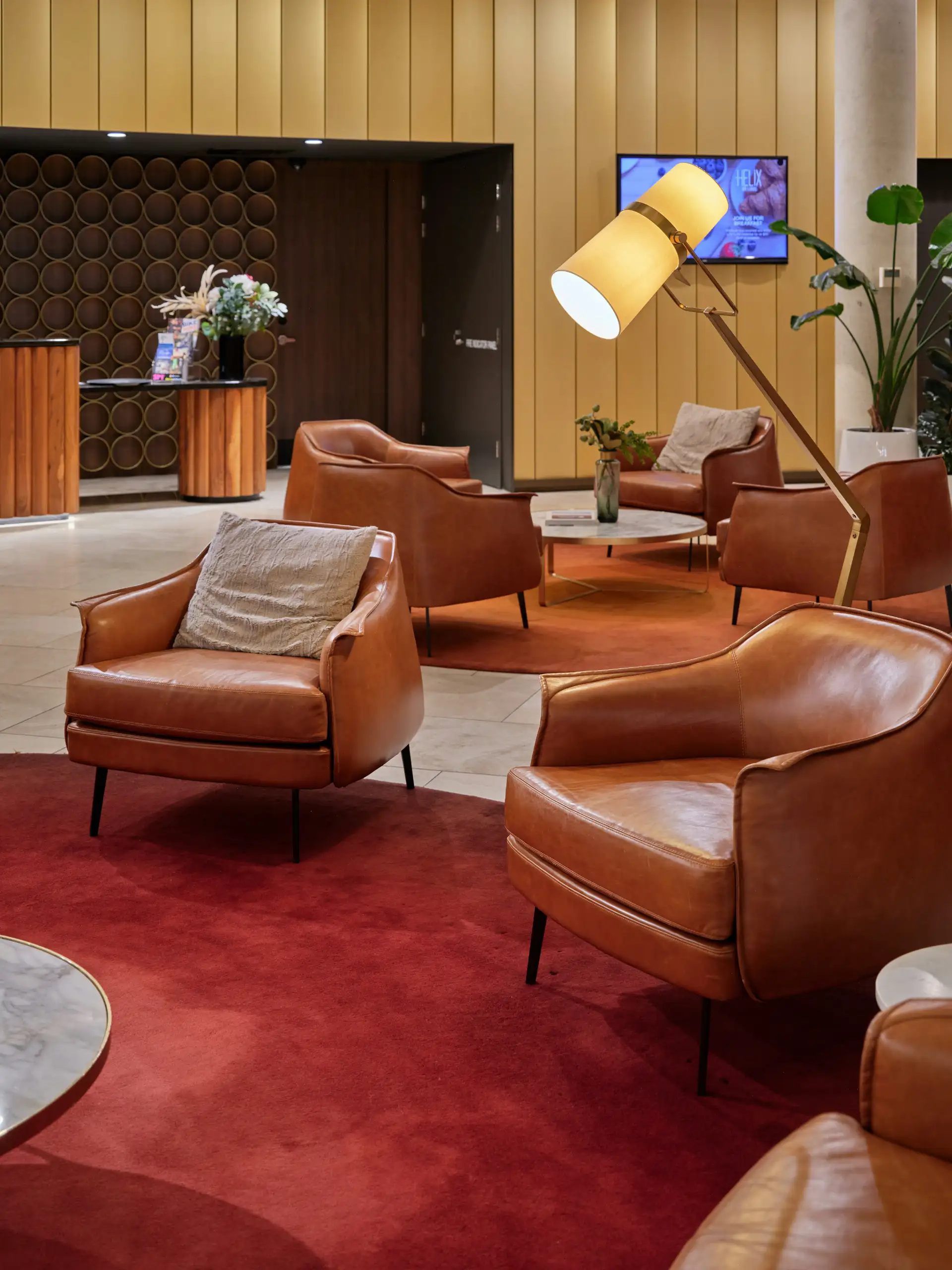
Hotels operate across multiple environments, including dining areas, lounges, spas, and in-room services. Maintaining a consistent visual language is essential to creating a cohesive experience. Leather menus support this consistency, adapting to various settings without losing identity.
Neutral colors, natural textures, and understated finishes help establish visual continuity, strengthening brand recognition across all guest touchpoints.
Durability suited for high-traffic environments
Hotels experience constant and intensive use of materials. Fragile solutions tend to degrade quickly, affecting the overall image of the space. Leather provides clear advantages:
- strong resistance to frequent handling
- a refined appearance over extended periods
- reduced replacement frequency
These characteristics make leather menus a practical and cost-effective option for hotels across different segments.
Subtle and elegant personalization
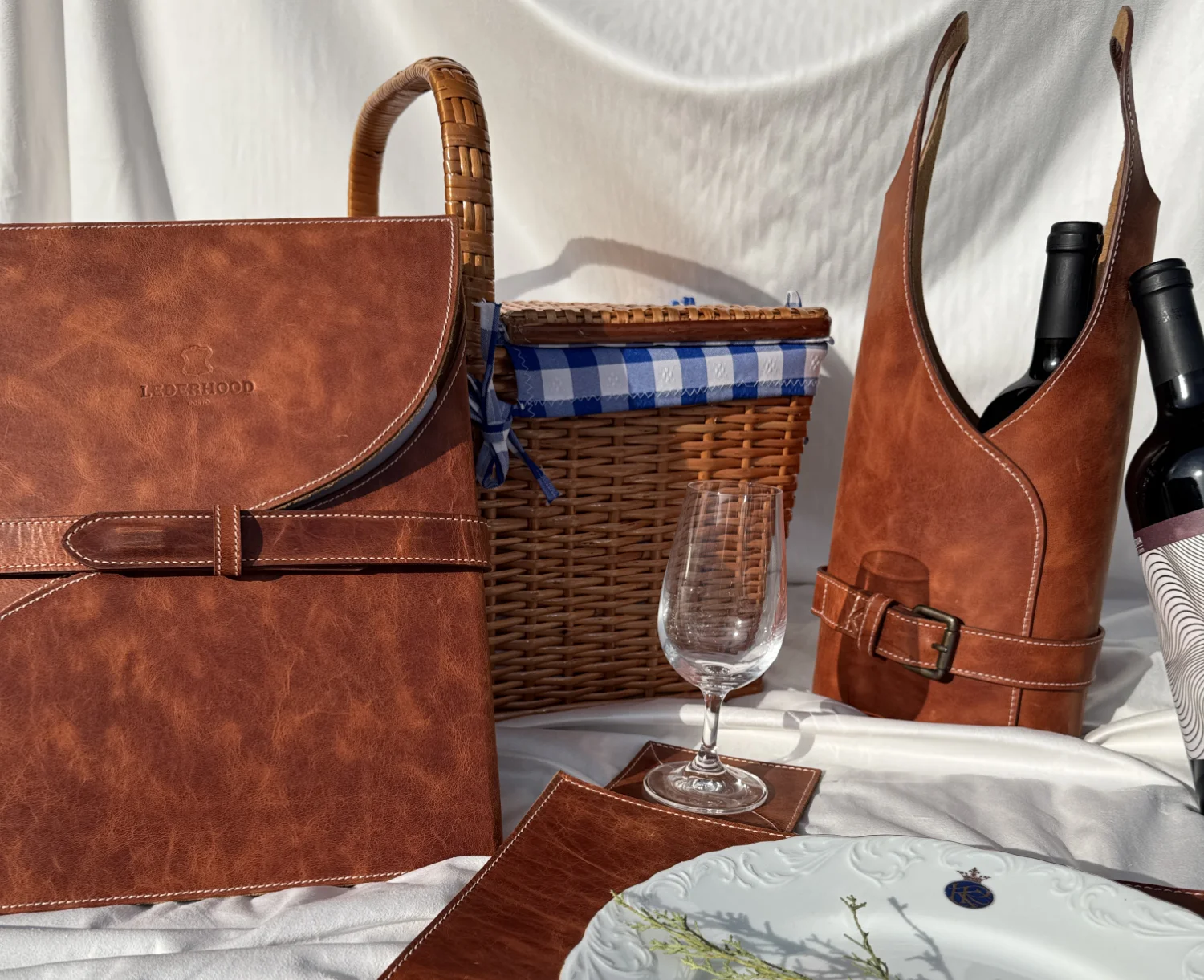
Personalization is important in hospitality but should be applied with restraint. Leather menus allow discreet branding through blind embossing, subtle logo placement, or minimalist detailing, reinforcing the hotel’s identity without compromising sophistication.
This approach supports a perception of exclusivity aligned with mid-range and luxury hotel expectations.
Impact on the guest experience
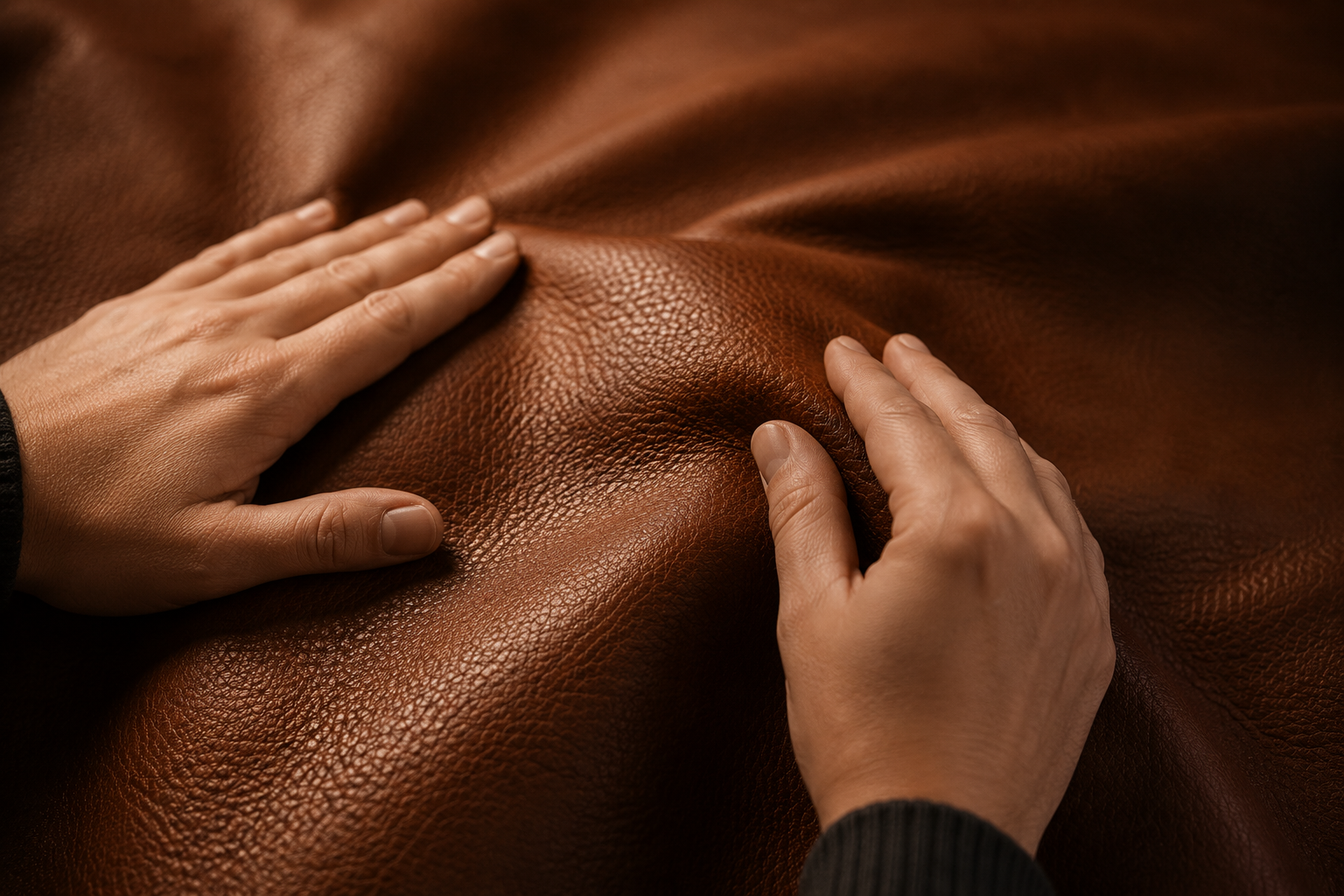
The hotel experience is shaped by small details. A well-presented menu communicates care, organization, and professionalism. The tactile quality of leather, combined with its visual appeal, contributes positively to how services are perceived.
Leather menus for hotels therefore act as a quiet yet effective element in building a memorable and high-quality guest experience.
Leather menus for hotels play an important role in creating a consistent and refined hospitality experience. Their durability, versatility, and elegant appearance make them a strategic choice for hotels that prioritize image, functionality, and attention to detail across all guest interactions.