
In the world of hospitality and restaurants, every detail matters when it comes to creating a memorable experience. Among these details, the menu plays a central role: it is one of the first elements a guest sees and touches, acting as the business card of the establishment.
Today, there are several material options for menus, from leather to synthetic alternatives. The question many managers ask themselves is: what is the best choice for their hotel or restaurant?
Leather menus: tradition and sophistication
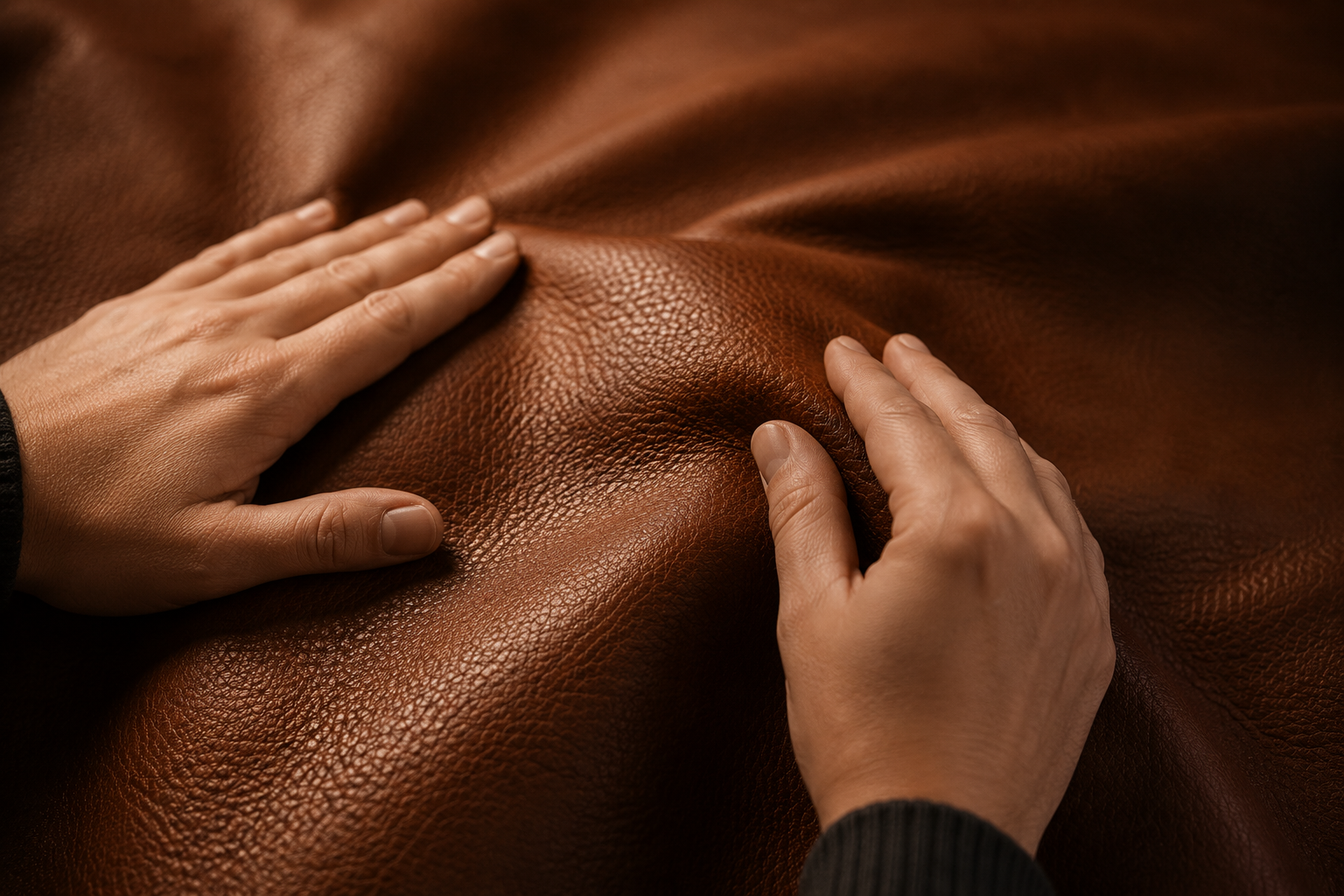
Leather is a timeless material, associated with elegance, durability, and authenticity. When applied to menus, it instantly conveys a sense of refinement and attention to detail. More than just a support for the food list, the leather menu becomes an integral part of the customer experience.
Beyond its aesthetic impact, leather stands out for its resistance to frequent use and its ability to be customized. Colors, textures, engravings, and handcrafted stitching allow for the creation of unique pieces that reflect each venue’s identity.
In mid- to high-end hotels and restaurants, this choice is often seen as a long-term investment, as leather menus maintain their quality for many years.
Synthetic alternatives: practicality and limitations
Options in synthetic materials, such as vinyl or plastic, are often chosen for their lower upfront cost and fast production. For more informal venues, or when budget is the deciding factor, these alternatives may seem like a suitable solution.
However, they present clear limitations. Wear occurs quickly, requiring frequent replacements, and the aesthetic rarely conveys sophistication. The tactile feel is different and may compromise the customer’s perception of quality—particularly in establishments aiming for a more premium positioning.
Brand identity and customer experience
In a sector where the experience is everything, the material chosen for menus is not just a functional matter: it is a strategic branding decision. A leather menu customized with the logo and exclusive details communicates professionalism and attention to detail. A synthetic alternative, on the other hand, may inadvertently give the impression of simplicity or a lack of consistency with the desired positioning.
Customers perceive these differences in subtle yet significant ways. What might seem like a small detail becomes an element that either reinforces or weakens the overall image of the venue.
Durability and long-term investment
It is true that leather menus require a higher initial investment. However, their durability pays off in the long run. While synthetic alternatives need to be replaced regularly, handcrafted leather menus remain elegant and functional for years, reducing future costs and contributing to a stronger, more consistent image.
Choosing between leather menus and synthetic alternatives is more than a matter of price: it is a decision about how the hotel or restaurant wants to be perceived. For venues that aim to convey sophistication, exclusivity, and attention to detail, leather menus are the choice that truly reinforces identity and adds value to the customer experience.