
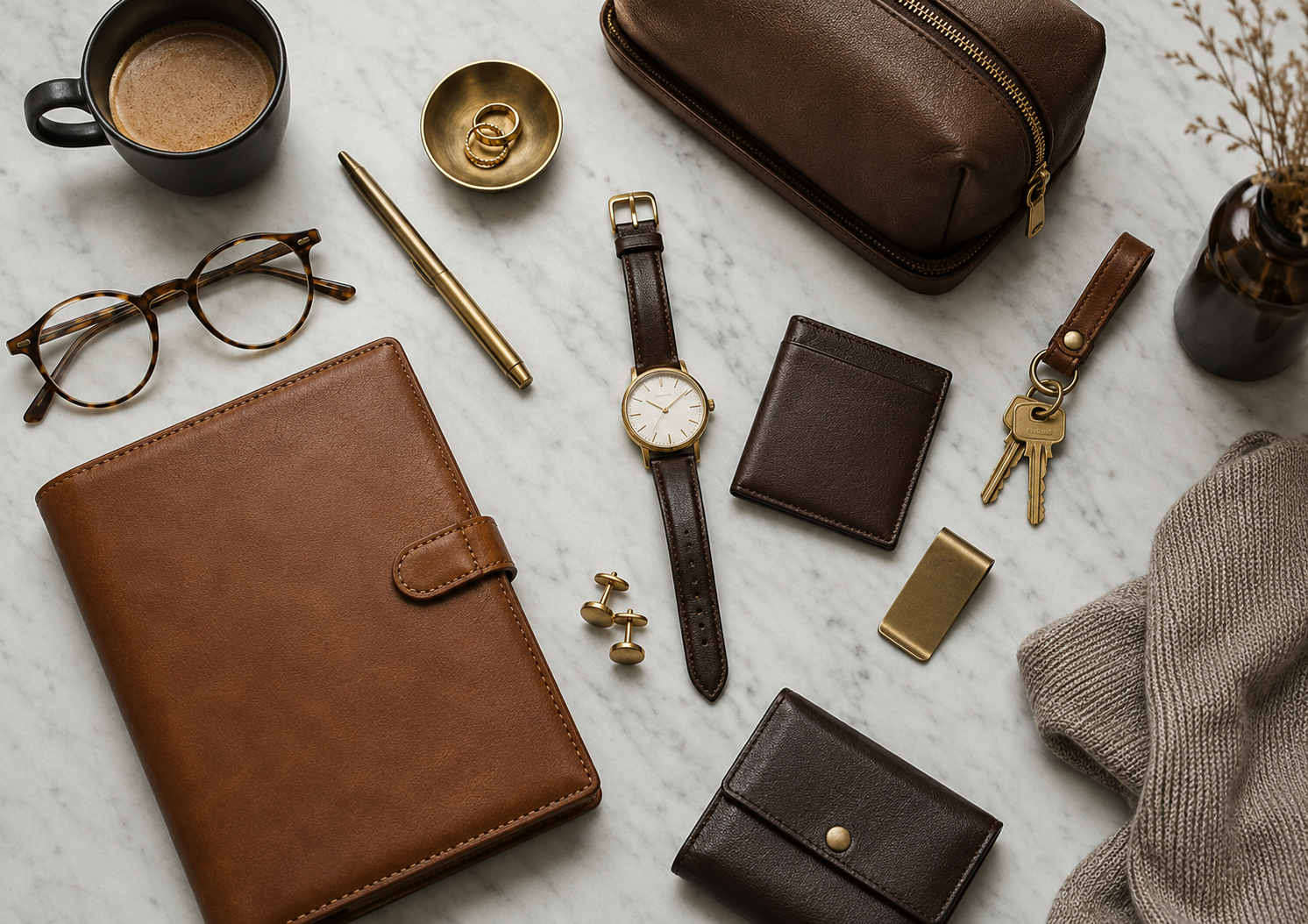
The materials used within a space directly influence how quality is perceived. In hotels, restaurants, and premium environments, certain elements immediately create a sense of sophistication and exclusivity. Among them, leather continues to stand out as one of the most recognized premium materials. The connection between luxury leather products and high-end environments is not accidental, but rather the result of a combination of aesthetics, durability, and craftsmanship.
The connection between leather and sophistication
Leather has visual and tactile qualities that are difficult to replicate with other materials. Its natural texture, refined finish, and even the weight of the material contribute to a stronger perception of quality. In premium environments, these details help create a more consistent and carefully designed experience.
Beyond its elegant appearance, leather also ages in a distinctive way. Instead of losing value over time, it often develops a natural patina that enhances the authenticity and character of the material. This ability to age gracefully is one of the reasons leather remains strongly associated with premium products and luxury concepts.
Durability and exclusivity
Another factor that contributes to the luxury image of leather is durability. High-quality leather products are designed for long-term use, maintaining both functionality and appearance over the years. Rather than disposable or temporary solutions, leather communicates permanence and attention to detail, characteristics commonly associated with premium brands.
The Lederhood uses carefully selected leather to create products specifically designed for hospitality environments. The focus is on combining durability, elegance, and customization, allowing products to align with the visual identity of each space. Subtle embossing, premium finishes, and personalized details help reinforce exclusivity without compromising practicality.
The use of luxury leather products also contributes to the overall guest experience. In environments where presentation and detail play an important role, premium materials help create a more sophisticated and cohesive atmosphere. Even small leather elements can significantly influence how a space is perceived, reinforcing quality, care, and visual consistency.
Although more affordable alternatives exist, leather continues to stand out in professional environments that value presentation, durability, and differentiation. The combination of authenticity, resistance, and elegance keeps leather products closely associated with luxury and exclusivity, especially in spaces where customer experience is a priority.


